Thank you for your interest in this story
To continue reading this article, sign up today to unlock exclusive content and be part of our community discussions
- Exclusive discounts
- Enjoy commenting on local issues
Already a subscriber? Log in here.
25
Mar 2023
Harrogate council’s biggest moments: The council forms and the conference centre opens under a cloud
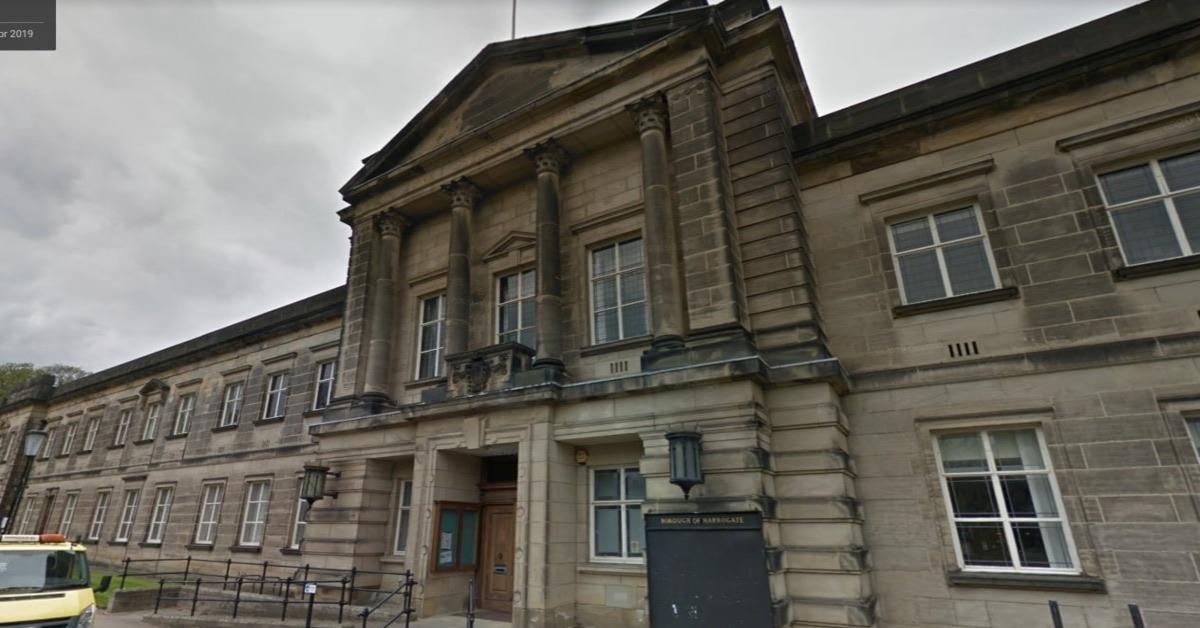
With Harrogate Borough Council in its final days, the Local Democracy Reporting Service looked at five major moments that defined it.
From controversy over the Harrogate conference centre to the move from Crescent Gardens to the Civic Centre — the council has played a major role in the look, feel and development of the district for the last 49 years.
As well as searching the archives of the Harrogate Advertiser, we spoke to some of the people who were involved at the time to give a picture of how these five events unfolded.
1974: Dawn of a new council
Harrogate Borough Council was new and shiny once.
Its creation followed years of wrangling over boundaries. At one point, it looked like Harrogate and Knaresborough was even going to be incorporated into a Leeds council.
But the new two-tier system was launched at midnight on April 12, 1974 and it saw North Yorkshire County Council and Harrogate Borough Council share responsibilities in the newly-created Harrogate district.
Old rural councils as well as the councils for Harrogate, Ripon and Knaresborough were brought together to form Harrogate Borough Council and it put the town of Harrogate at the heart of decision-making in the district.
On April 6, 1974, the Harrogate Advertiser described “the great changeover”:
When the council launched, it owned 7,000 council houses, almost double what it owns today, and it served a population of 135,000 residents.
Conservative councillor for Burton Leonard, Graham Bott, became the first mayor of the borough at a ceremony at the Royal Hall that month.
Cllr Bott described becoming mayor as one of the proudest moments of his life.
He said he hoped Harrogate Borough Council would abide by the motto of the Three Musketeers — “one for all and all for one."
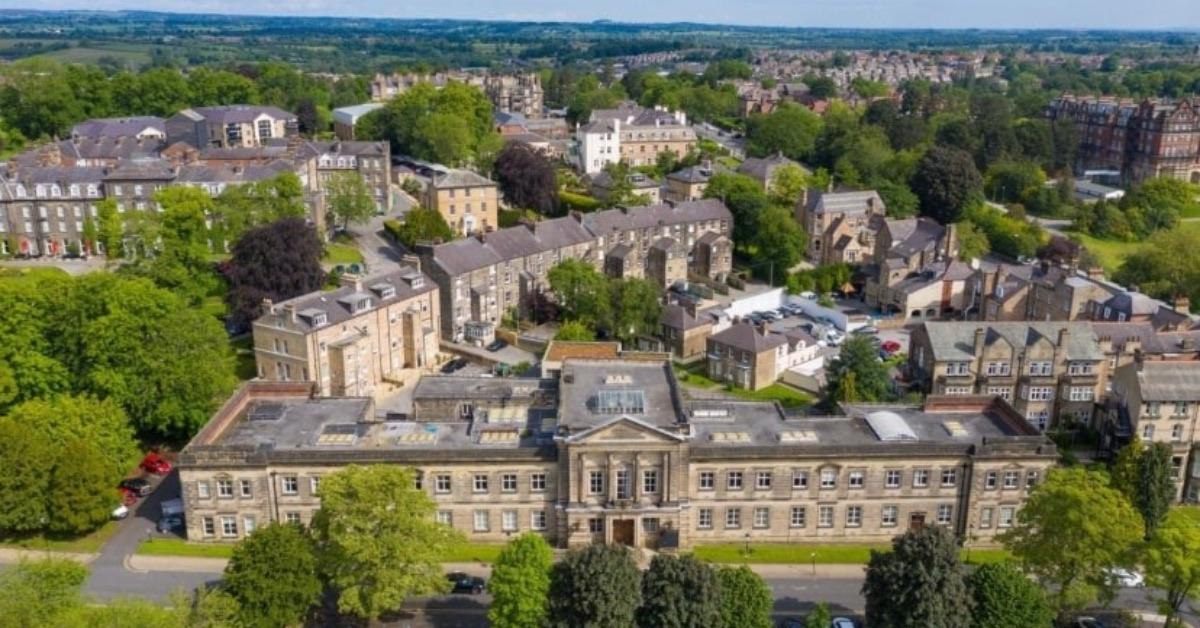
Crescent Gardens.
Sixty councillors were elected to serve on the first council and they were paid £10 to attend meetings that lasted over 4 hours, which dropped to £5 for shorter ones.
The council’s first chief executive was Neville Knox. He said the council’s size meant it would still be in touch with residents.
Mr Knox said:
But even in the council’s formative days, questions were being asked about how the council in Harrogate would look upon the rest of the district.
A Harrogate Advertiser columnist from Ripon asked, “Is big brother Harrogate going to grab all the goodies for itself?”
It said:
This received a firm rebuttal from Tony Bryant, the council’s director of conference and resort services, whose comments draw parallels with what is being said by officials at North Yorkshire Council 49 years later.
Mr Bryant said:
There was much work to be done and the Harrogate Advertiser wrote in an editorial that the council “cannot afford the luxury of taking time to settle in” as there were huge traffic problems, car parks and the construction of new roads that had to be dealt with.
But a squabble over ceremonial robes dominated the council’s first meeting.
Councillors who had served on the old Ripon and Harrogate councils had the right to continue to wear their ceremonial robes at meetings on the new council.
However, Knaresborough councillor W Macintyre wanted to restrict this to just the mayor and deputy mayor as he said wearing robes would be “anachronistic” in the context of the newly formed council. His proposal failed by 18 votes to 29.
Although Liberal councillor for Granby, John Marshall, said that just because members in Ripon and Harrogate wore robes it did not mean they liked the custom.
He said he found the practice “acutely embarrasing”.
1982: the conference centre opens under a cloud
The story of Harrogate Borough Council will be forever bound to the town’s conference centre.
The venture was undoubtably the council’s boldest move but it’s fair to say that controversy has dogged what is now the Harrogate Convention Centre ever since the council decided to build it in the 1970s.
Harrogate was already known as a conference destination but the council hoped a new state-of-the-art facility in the centre of town would attract business and leisure visitors to the district for decades to come.
Harrogate Borough Council part-funded the investment through selling land it owned off Skipton Road to housebuilders. This would eventually lead to the building of much-needed new homes for Harrogate and the creation of the sprawling Jennyfields estate.
Read more:
- Explained: Who will make planning decisions in Harrogate district after devolution?
- Explained: What happens to bin collections in Harrogate after devolution?
However, in 1979 when construction on the conference centre was underway, the UK was in the grip of a deep recession and Margaret Thatcher’s newly elected Conservative government raised the interest rate to 17%, in a bid to bring down inflation that was running at 13%.
Tim Flanagan was chief reporter at the Harrogate Advertiser during the 1970s and 1980s. He remembers the conference centre was rarely off the front pages during that time.
Mr Flanagan said costs for the conference centre spiralled from an initial £8m to £34m, which shocked the Harrogate public and led to a hike in council tax.
He said:
Harrogate Borough Council was bailed out by a £16m loan from the government to pay off the conference centre. It reduced what residents would have been asked to pay in council tax by 25%.
If the 40-year terms of the loan were followed, it means the council only finished paying back the government for the bailout last year.
Resident John Wynne would write to the Advertiser in 1982 that the conference centre saga had sullied his once-romantic view of Harrogate.
Problems at the conference centre would mount throughout the 1980s as the hotel group originally chosen to be part of the development pulled out and it took until 1985 for what is now the Crown Plaza to be occupied.
The conference centre had become such a drain on resources that the council struggled to maintain prized assets such as the Sun Pavilion and Harrogate Theatre as they fell into disprepair.
Binmen were even asked to reduce their hours to save costs.
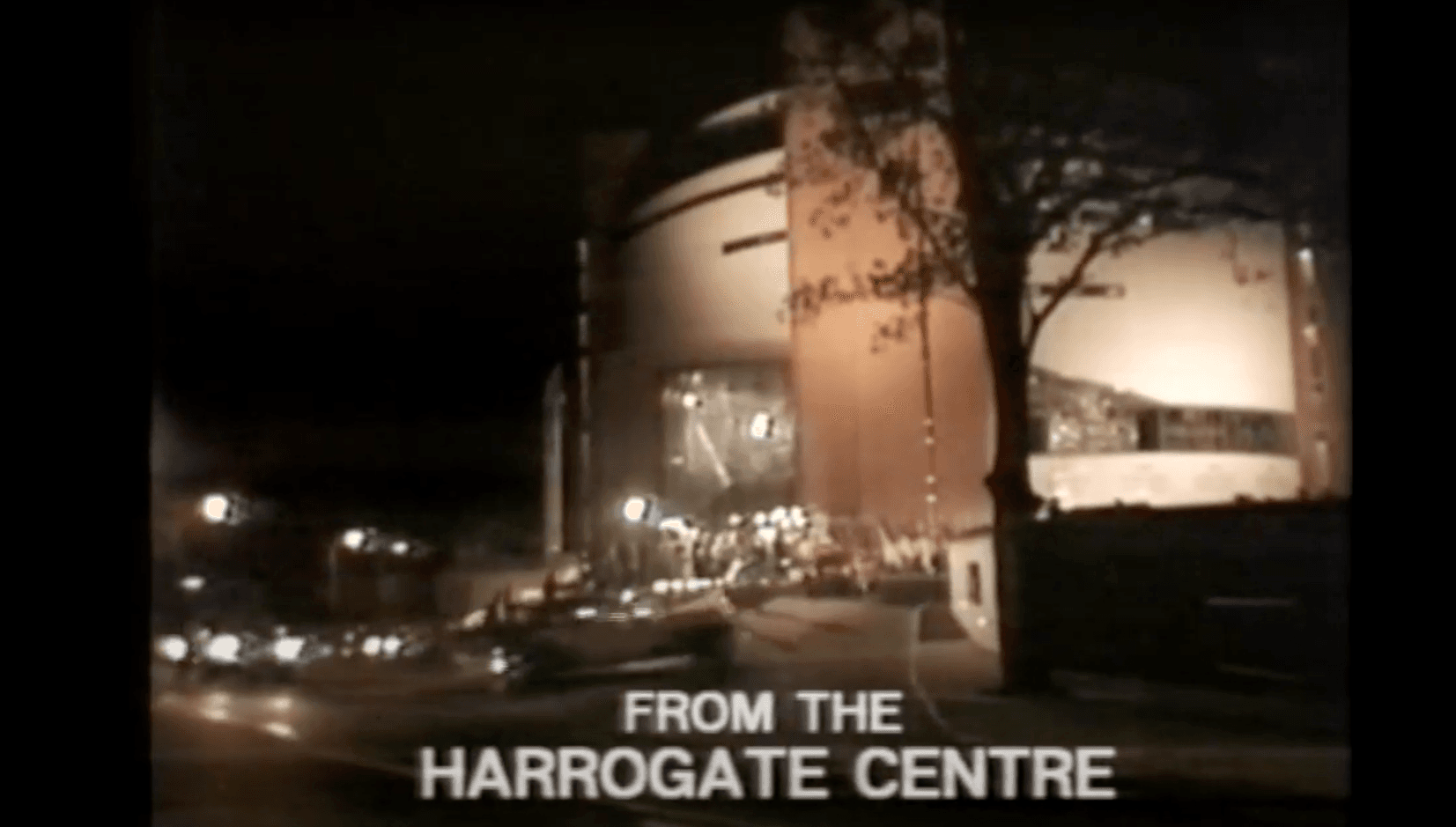
Eurovision 1982 held in Harrogate.
However, despite the controversies, what is now known as the Harrogate Convention Centre has been a cornerstone of the town’s economy for the last 40 years.
It will also always have its place in UK pop culture history after it hosted the Eurovision song contest in the venue’s first year.
The contest was eventually won by German singer Nicole and saw Harrogate showcased to hundreds of millions across the world.
Although a furious letter in the Harrogate Advertiser by resident JR Myers criticised the council for not selling tickets to the Harrogate public. He said instead, it gave them away to dignitaries and officials.
Mr Myers said this “reflects the cavalier way in which the ratepayers are treated” by the council.
Although in the same letter he also described the song contest as a “nauseating and mindless spectacle”, casting doubt on his claim that he really wanted a ticket in the first place.
We will feature the second part of this article on the Stray Ferret tomorrow
0