Thank you for your interest in this story
To continue reading this article, sign up today to unlock exclusive content and be part of our community discussions
- Exclusive discounts
- Enjoy commenting on local issues
Already a subscriber? Log in here.
03
Dec 2022
County council bosses raise concern over social care reform
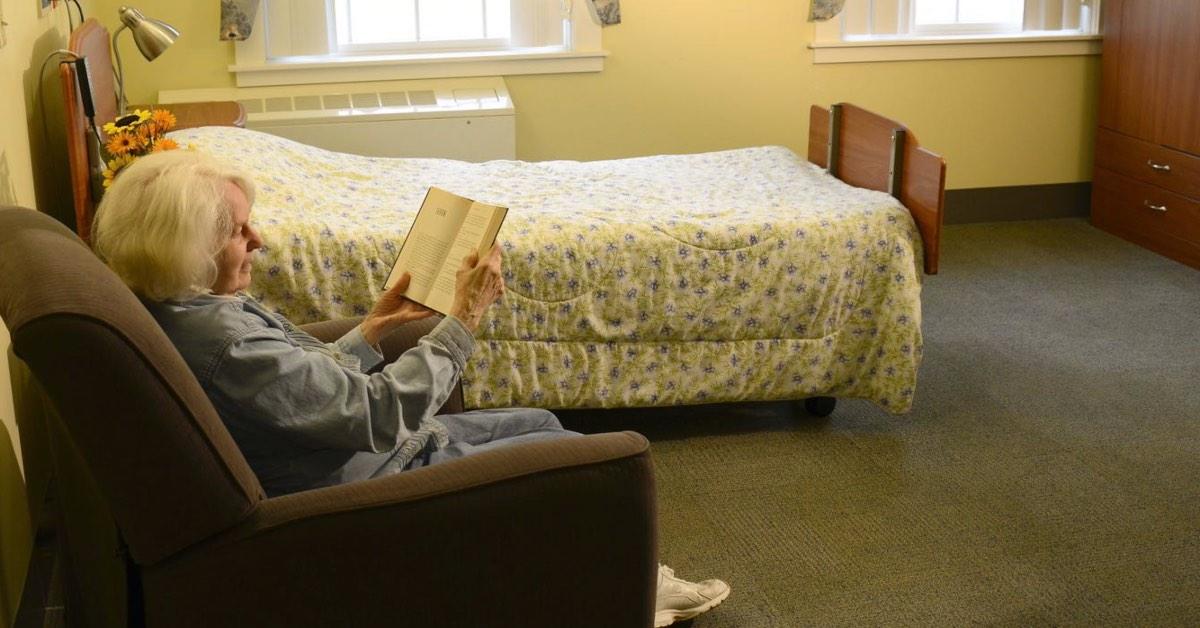
Officials at North Yorkshire County Council have raised major concerns about social care funding reforms, including that it could leave the local authority needing to find tens of millions of pounds every year.
A report to a meeting of North Yorkshire County Council’s care scrutiny committee on Tuesday states the new system, in which an £86,000 cap could be introduced on resident’s care costs, would mean recruiting more staff in a sector already facing a recruitment crisis.
While the government has delayed the scheme to help make expected reductions of over £30bn a year in spending, Whitehall officials this week told county council bosses charging reform was still government policy and had only been delayed until October 2025.
The scrutiny meeting also comes just days after Healthwatch North Yorkshire called for immediate and significant action to deal with the growing social care crisis and underlined concerns for the future of services in the county.
Its chief officer, Ashley Green, said:
Read more:
- Risk that Harrogate hospital home care service could ‘distort the market’
- Harrogate hospital trust plans home care service to tackle bed blocking
The council report states the significant increase in the number of social care and financial assessments required with the new system would mean an increase in staffing, which it says would have been difficult to recruit.
North Yorkshire had been due to be part of a "trailblazer" project from January, along with four other authorities around the country, to implement the policies and test the system before it was rolled out further.
The report adds its calculations, echoed by other councils, showed a significant potential gap between funding from the government and costs, running into tens of millions of pounds on an annual basis.
It said:
Outlining the an array of measures the council had launched to ease pressure on the NHS and social care services, the authority’s executive member for adult social care, Cllr Michael Harrison, said:
He said challenges the council faced included increases in hospital discharges, high occupancy in residential care settings resulting in low availability, continuing low availability in the home care sector and an increase in requests to the authority for financial support from social care providers.
He said:
Cllr Harrison said positive interventions by the authority had led to some reductions in waiting times, and over the past few months included 41 “hardship” payments, costing £1.8 million, to care providers, compared to just four a year ago.
He said the authority had prevented numerous struggling care homes from closing by dispatching its quality improvement team and through improvements in recruitment, including attracting care workers from overseas and promoting apprenticeships and increasing pay for frontline staff.
0