Thank you for your interest in this story
To continue reading this article, sign up today to unlock exclusive content and be part of our community discussions
- Exclusive discounts
- Enjoy commenting on local issues
Already a subscriber? Log in here.
02
Sept 2022
Concerns over exploitation in North Yorkshire as number of young carers rises
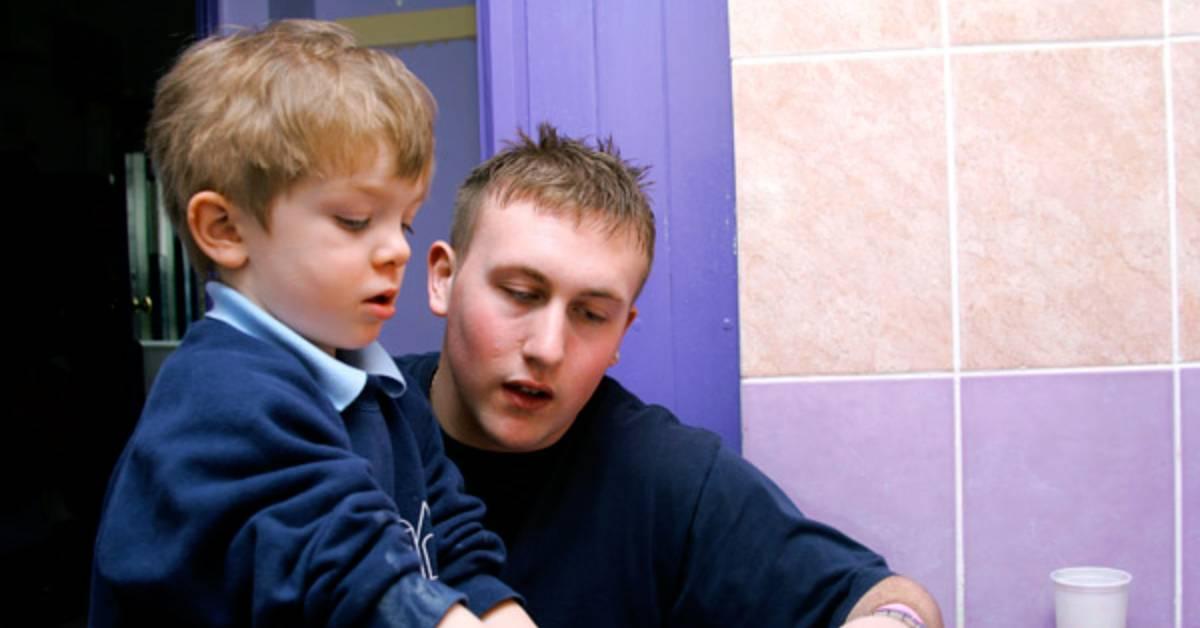
Children’s services bosses say a "significantly higher" number of children are coming forward as young carers, partly due to physical and mental health conditions not being treated during the pandemic.
A North Yorkshire County Council meeting heard precise numbers of people aged 18 and under who care for a friend or family member who cannot cope without their support had not been established since the pandemic as the 2021 census data was still being analysed.
However, the meeting was told it was believed the number of young carers had risen sharply since the 2011 census, when 1,107 young carers aged 15 and under were identified in the county, 70 of whom were providing 50 or more hours of care a week.
Some councillors expressed surprise after hearing the 2011 census also identified 2,436 unpaid carers aged 16 to 24, 203 of whom provided 50 or more hours of care a week.
Councillors heard the council’s annual Growing Up In North Yorkshire survey of children would also help establish accurate figures of the rise.
The young people’s scrutiny committee meeting heard to meet its legal duty to provide all carers with an assessment of their needs and put in services to protect their health and wellbeing, the authority was working with numerous bodies, and in particular schools, to identify as many young carers as possible.
Officers said the authority had strengthened a drive to identify young carers, some of whom are reluctant to ask for help for fear of being perceived as weak or facing bullying.
Read more:
- Harrogate care boss relieved as government ends mandatory covid testing
- ‘Rodent dropping’ Harrogate care home no longer registered
They said the council’s successful awareness-raising campaign may have contributed to the increase in young carers by removing stigma and instilling a greater willingness among young people to come forward and seek help.
An officer added:
In response, councillors said children were providing a free service that the authority should be providing instead.
Conservative councillor for Bilton & Nidd Gorge, Paul Haslam, said the young carers were “providing care on the cheap”.
Conservative councillor for Thorp Willoughby, Cliff Lunn added:
A senior officer replied that any service could not completely fill the gaps that families, and in some cases young children, provide.
She added:
0