Officials at North Yorkshire County Council have raised major concerns about social care funding reforms, including that it could leave the local authority needing to find tens of millions of pounds every year.
A report to a meeting of North Yorkshire County Council’s care scrutiny committee on Tuesday states the new system, in which an £86,000 cap could be introduced on resident’s care costs, would mean recruiting more staff in a sector already facing a recruitment crisis.
While the government has delayed the scheme to help make expected reductions of over £30bn a year in spending, Whitehall officials this week told county council bosses charging reform was still government policy and had only been delayed until October 2025.
The scrutiny meeting also comes just days after Healthwatch North Yorkshire called for immediate and significant action to deal with the growing social care crisis and underlined concerns for the future of services in the county.
Its chief officer, Ashley Green, said:
“Despite the hard work and commitment from those delivering care and who commission services, the significant lack of qualified and available staff is having a devastating impact on the provision of care for those people who most need it most.”
Read more:
- Risk that Harrogate hospital home care service could ‘distort the market’
- Harrogate hospital trust plans home care service to tackle bed blocking
The council report states the significant increase in the number of social care and financial assessments required with the new system would mean an increase in staffing, which it says would have been difficult to recruit.
North Yorkshire had been due to be part of a “trailblazer” project from January, along with four other authorities around the country, to implement the policies and test the system before it was rolled out further.
The report adds its calculations, echoed by other councils, showed a significant potential gap between funding from the government and costs, running into tens of millions of pounds on an annual basis.
It said:
“We made it clear that any final decision on our participation in the Trailblazer project was dependent on central government recognising and filling the funding gap, or at least underwriting any excess costs.”
Outlining the an array of measures the council had launched to ease pressure on the NHS and social care services, the authority’s executive member for adult social care, Cllr Michael Harrison, said:
”We are reliant on the government to champion reform of the sector.”
He said challenges the council faced included increases in hospital discharges, high occupancy in residential care settings resulting in low availability, continuing low availability in the home care sector and an increase in requests to the authority for financial support from social care providers.
He said:
“We are operating waiting lists for social care in a way that we probably wouldn’t have done pre-pandemic.”
Cllr Harrison said positive interventions by the authority had led to some reductions in waiting times, and over the past few months included 41 “hardship” payments, costing £1.8 million, to care providers, compared to just four a year ago.
He said the authority had prevented numerous struggling care homes from closing by dispatching its quality improvement team and through improvements in recruitment, including attracting care workers from overseas and promoting apprenticeships and increasing pay for frontline staff.
The new top local politician in the Harrogate districtThe local political landscape is being utterly transformed.
A new unitary authority is coming; eight existing councils, including Harrogate Borough Council and North Yorkshire County Council, are going.
A devolution deal this week paved the way for a countywide mayor and the creation of a combined authority overseeing £540 million.
It’s not just the institutions changing. So too are the politicians.
Richard Cooper and Graham Swift, the long-serving Conservative leader and deputy leader of Harrogate Borough Council, will step down when it is abolished next year.
Don Mackenzie, the Conservative councillor previously in charge of transport at North Yorkshire County Council, did not seek re-election in the local elections on May 5.
Since then a new man has emerged as the most senior local politician and although he too is a Conservative he is a somewhat different beast.
As executive member for health and adult services at North Yorkshire County Council, Michael Harrison is the only person from the Harrogate district sitting on what is effectively the 10-person cabinet making key decisions on spending in the county.
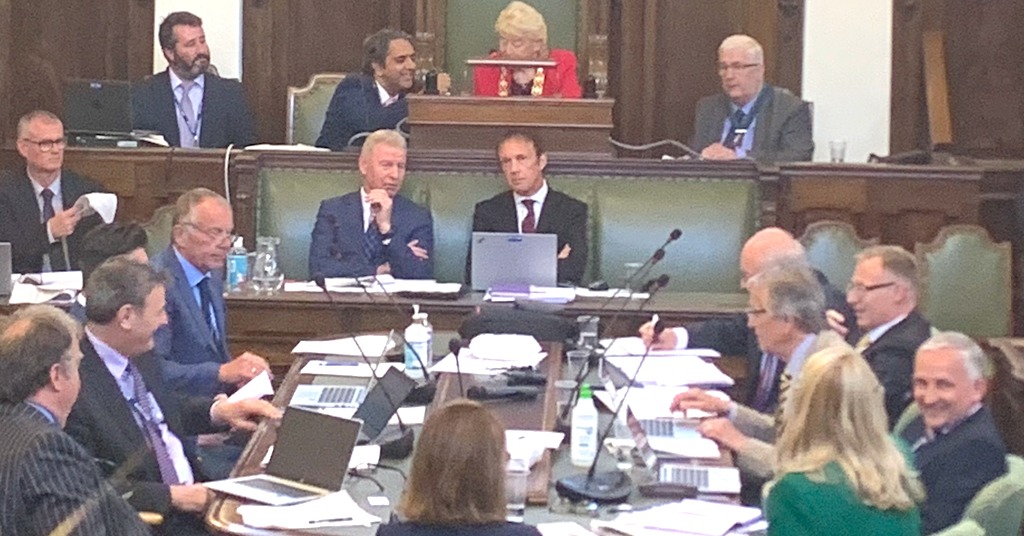 Cllr Harrison (far right), sitting on the county council’s cabinet.
Cllr Harrison’s portfolio is responsible for more than half of the county council’s £380 million annual budget. But most people aren’t interested in social care until they need it, so his role attracts far less attention than the transport brief Keane Duncan inherited from Don Mackenzie, even though the sums are higher.
Cllr Harrison, who lives at Killinghall Moor, is far from unhappy about his low profile. He says:
“I enjoy contributing in an executive capacity. Adult social care is a complex area — you are dealing with some of the most vulnerable people in society.
“I feel I have a lot to offer there. It’s completely different to being the local face of the council.”
From Killinghall to Northallerton
Born in Sunderland, and with the accent to prove it, Cllr Harrison, 52, moved to the Harrogate district in the mid-1990s with his job at Lloyds Banking Group. He still works for the bank in risk management.
He joined Killinghall Parish Council in 2002, was elected to Harrogate Borough Council in 2004 and nine years later was also voted on to North Yorkshire County Council.
While some of his Conservative colleagues fell by the wayside at May’s local election, he received a commanding 54% share of the vote to ensure he will represent Killinghall, Hampsthwaite and Saltergate on the county council and its successor, the new North Yorkshire Council, until at least 2027.
Many people think councillors are full time professionals, but most combine politics with full-time jobs. Each county councillor receives a basic allowance of £10,316. Executive members, like Cllr Harrison, also receive special responsibility allowances of £15,939.
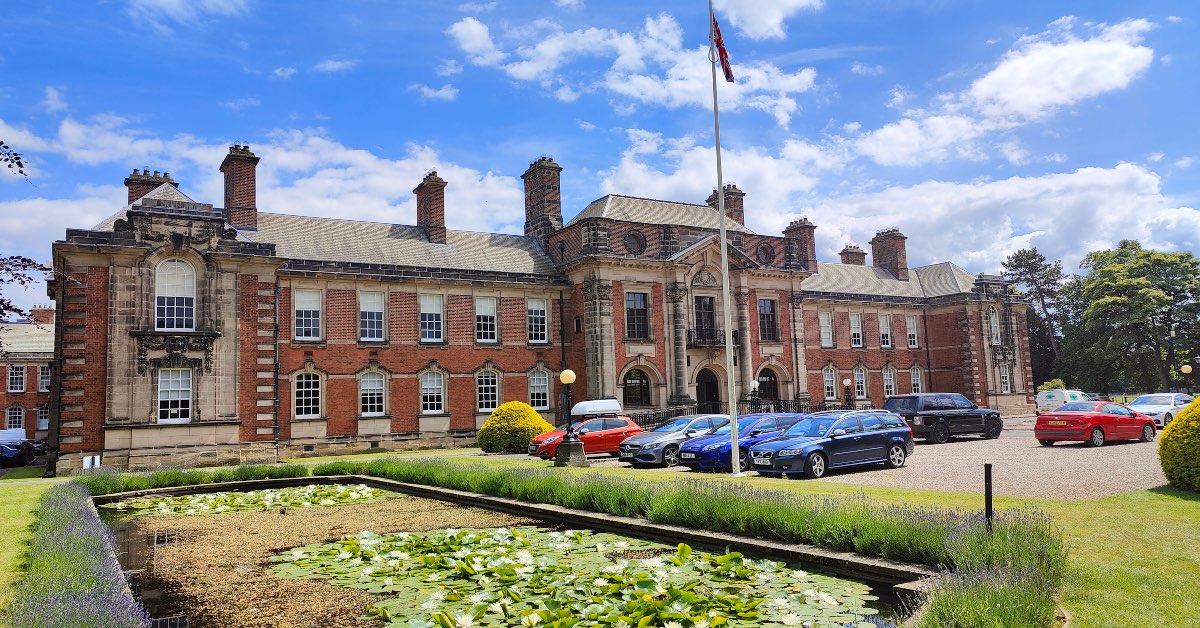
County Hall in Northallerton, home of North Yorkshire County Council.
Cllr Harrison often takes his laptop to County Hall in Northallerton to work on his day job between meetings. Juggling the two isn’t easy, but he says:
“I think it’s important that councillors are drawn from society itself. It wouldn’t be healthy if only retired people could do it. But it is difficult to do it alongside a full-time job. You need the support of your family and employer.”
Pragmatism over politics
Although he’s a lifelong Conservative, Cllr Harrison does not come across as overtly political. He doesn’t name any political heroes and claims not to be ambitious.
“I’ve never had any particular political ambitions. I get a lot out of delivering quietly behind the scenes. I adopt a pragmatic approach to problems.”
He is backing Rishi Sunak in the leadership contest, saying he wants someone who can “reintroduce honesty and integrity into central government”.
Read more:
- Reassurances issued over ‘onerous’ social care revamp across Harrogate district
- Social care pilot scheme in Harrogate district ‘could bankrupt council’ without more funding
County Hall in Northallerton operates like Whitehall in London. The politically elected executive members set the direction of travel and professional civil servants carry out the day-to-day work.
Cllr Harrison seems more comfortable talking about the nuts and bolts of North Yorkshire politics rather than banging the drum for the Tories.
He says the new unitary authority will deliver services more efficiently than the current two-tier system by removing bureaucracy and will also end confusion over which council does what. But he admits there are challenges:
“Can the new council demonstrate it understands local needs? Tensions will be there within the district. The key is to understand priorities in each area.”
He says some services, such as gritting and waste disposal, are best handled centrally in Northallerton, but other services, such as leisure and tourism, require a more local focus.
Unusually for a leading Conservative, he’s a member of the banking union Accord and talks warmly about it. He says:
“Unions have a key role to play in representing employees.”
He also has rheumatoid arthritis, which he says is under control. Typically, he doesn’t make a fuss about it and is soon talking about social care again. He seems happy with it this way:
Social care pilot scheme in Harrogate district ‘could bankrupt council’ without more funding“Prior to getting into local government I said to people ‘I’m not into politics’. I’m more interested in delivering services for residents and hopefully being a common sense voice around the table.”
A national overhaul of the adult social care system will be trialled across North Yorkshire next year – but could leave authorities with a budget deficit stretching into the millions.
North Yorkshire County Council is one of five authorities signed up to be part of the pilot scheme from January, before it is rolled out across the country in October 2023.
It will see a cap of £86,000 placed on each individual’s spending on their care in their lifetime, after which the local authority will fund it for as long as needed.
The reforms will also allow people to retain up to £100,000 of their own assets and still qualify for funding for their care. The current limit is £23,250.
While the result will be a benefit to individuals who get to keep more of their own money and pass it on to their relatives, there is an obvious challenge facing local authorities.
NYCC believes the new system could cost it £45m per year more than it currently pays for adult social care, and it has yet to be told how much money it will be given for the pilot scheme, known as ‘trailblazers’.
Cllr Michael Harrison, executive member for health and adult care, told the Stray Ferret:
“It will benefit residents because no-one is going to pay more [for their care during their lifetime]. Most people are going to pay less, depending on how long they’re in the care system.
“It’s entirely positive for residents from a financial perspective. The rub is, who’s going to fund it?”
Read more:
- Reassurances issued over ‘onerous’ social care revamp across Harrogate district
- Harrogate county councillor calls for ‘major change’ in politics as Prime Minister resigns
At the same time as the changes to funding are introduced, reforms in care fees are being planned.
They will do away with the current two-tier system, which sees local authorities pay a lower rate than a private individual has to pay for the same care.
Cllr Harrison said it is not yet clear what the new fees would be, but it was inevitable that local authorities would end up paying more so care homes did not see a drop in funding.
“If you reduce their income, the viability of the market is threatened.
“Whatever we’re paying, when it comes down to what the individuals working in social care earn, most of them are either on minimum wage or not far off.”
 Cllr Michael Harrison
While those two reforms to funding and charging are being planned, a third financial implication for local authorities will come in the form of overseeing an inevitable rise in the number of people accessing local authority funding towards their care.
“The sheer workload of assessment and brokerage and IT – there’s a huge weight of bureaucracy surrounding that because there’s just going to be more people in the system.
“We don’t know how many people are out there self-funding who will come to us – why would we?
“It’s new costs in a market that’s already under stress. How much, we don’t know.
“A piece of work has been done by the County Council Network and we think this could all cost NYCC up to £45m a year – additional [to what it already spends on care].”
Implementation of the new equal care fees system has recently been delayed by the government. The new funding structure being introduced next year will also only apply to people entering the care system, not those already in it.
While this takes the immediate pressure off NYCC’s budget by phasing in some of the changes, Cllr Harrison and his department’s officers know the full impact will be felt in the future.
The changes are set to be funded by the new health and social care levy, brought into effect in April, which has seen a 1.25% increase in National Insurance. The money raised is to be shared between the NHS – which will take most of it – and adult social care.
However, the current Conservative leadership race has seen almost all of the contenders to be Prime Minister declare they would scrap the levy – yet none has said what they would do about funding the scheme without it.
Meanwhile, Cllr Harrison said it has not yet been confirmed what NYCC’s share of the money will be to fund the new system coming into force in less than six months.
“If we apply the normal ratios, we can usually be pretty confident what our share of funding would be. If we’re right, we’ve got up to a £23m hole in our budget in a council already producing a structural deficit of £50m. It would bankrupt us.”
So why did NYCC agree to be part of the trailblazers project, bringing the problems of the new system forward by nine months?
Cllr Harrison said he believes North Yorkshire County Council has a reputation for being competent and working constructively with central government.
At the same time, North Yorkshire has certain characteristics that can be tested through the pilot scheme: an older than average population, a large, rural landscape, with 500 care providers spread across it, and a relatively high proportion of self-funders accessing services.
The rural nature of the county, along with a higher than average elderly population, make it a useful case study for the government to test how its new system will work.
He also hopes it will be an opportunity to make careers in care better funded and more respected, in line with the council’s Make Care Matter campaign.
“Part of being involved in the trailblazers is to try and shape government policy to understand the challenges and find solutions to those challenges and pilot the changes up front.
“The risk to us is if it’s going to hurt us financially before the rest of the country.”
However, he said, there are clauses in the agreement which will allow NYCC to pull out if the scheme is not working and to revert to the current arrangements until all councils move to the new system after the pilot concludes.
The aim, however, is to go through the trailblazers project with the ear of the government, proving that more money is needed before it can be rolled out further. But will the funding come through?
Reassurances issued over ‘onerous’ social care revamp across Harrogate district“I’m hopeful. If it doesn’t, it will bankrupt a number of councils round the country and potentially impact the viability of the whole care sector.”
A council has denied claims its scheme to ensure high social care standards has been designed to “weed out” some care providers.
Hundreds of residential and home care providers and day services have been asked to reapply to be on North Yorkshire County Council’s approved care providers lists.
It is the first stage of a huge transformation of the social care market in North Yorkshire.
A meeting of the authority’s care scrutiny committee heard while some £160m of taxpayers’ money was spent annually buying social care services in the county, the current system allowed providers to set their own rates and give few details about their coverage.
Although many local authorities have been able to set rates for providing care as they dominate their area’s care market, about half of care services in North Yorkshire are paid for privately, so the county council has regularly been forced to watch some providers’ rates soar.
North Yorkshire County Council’s offices in Northallerton.
Councillors were told contracts with care providers would in future be based on a set of service specifications.
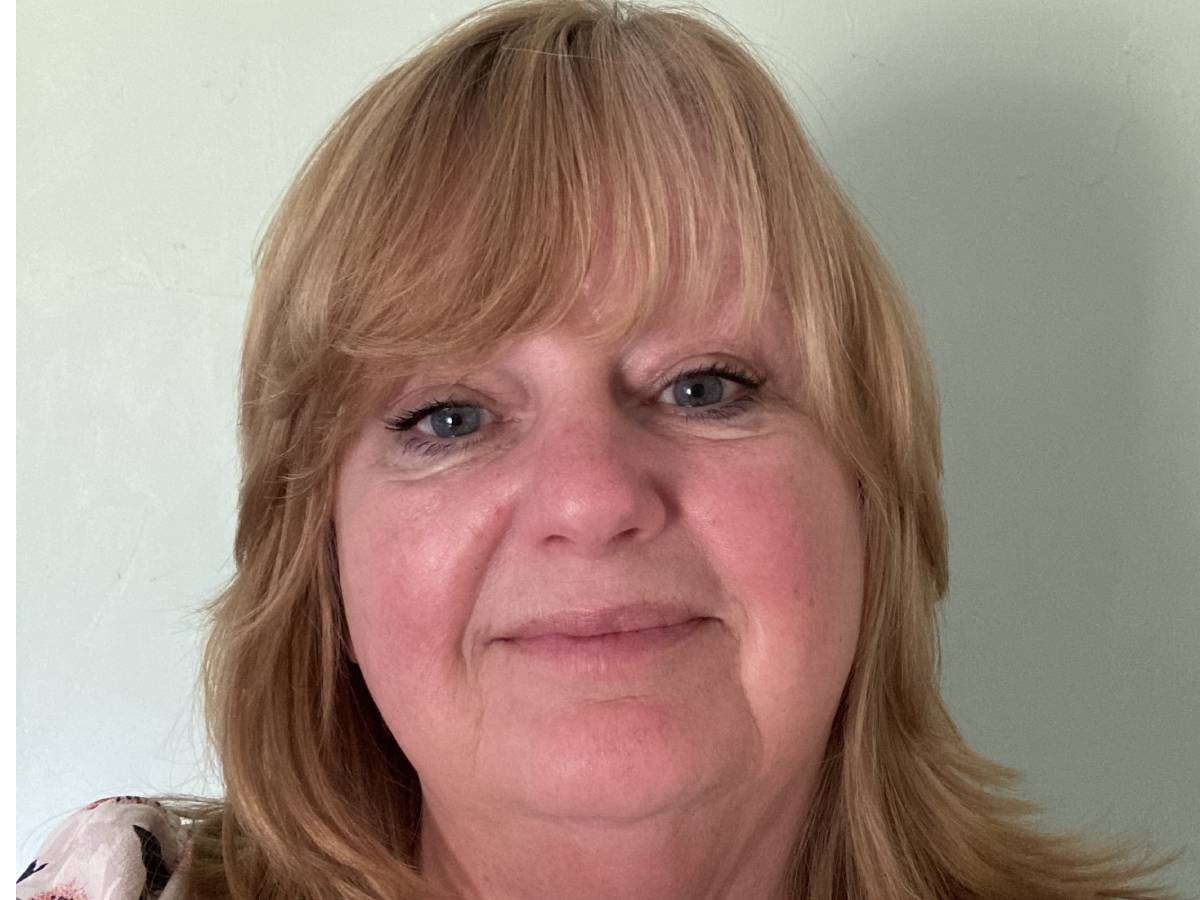
Jill Quinn, chief executive of Dementia Forward.
Committee member Jill Quinn, chief executive of Burton Leonard-based charity Dementia Forward, told the meeting completing the new process to be an approved provider was “onerous”.
She added the process appeared to aim to prevent certain providers from being placed on the lists.
She said:
“We understand why it needed revamping and the need for quality markers. Can we reassure people that are applying that it’s not meant to catch them out and that there will be sympathy and support, otherwise I feel we will lose some good people.
“I’m quite seasoned at this and I’m half-way through doing mine and it really is like quite a job.”
The meeting heard trying to maintain quality standards across 155 care home providers and 225 residential and nursing homes was a huge undertaking for the council.
Cllr Michael Harrison, who represents Killinghall, Hampsthwaite and Saltergate and is North Yorkshire County Council’s executive member for adult services and public health, said the process aimed to identify providers who are able to give the level of service that both the 90,000 residents receiving care and the council could afford.
He said:
“We are wanting to make sure the residents who are receiving social care receive a quality that they and we are happy with. We are absolutely not wanting to weed any providers out. ”
Read more:
- Carers recognised for covid efforts in Harrogate and Ripon at team celebration
- Residents moved from Harrogate care home with rodent droppings
Cllr Harrison said setting clear standards for care was vital, adding the council had moved people out of a residential care home earlier this month after becoming concerned for their safety.
He said:
“That’s a last resort, but it’s also a good example that we’re not prepared just to take any service just because it’s available.
“It’s got to be a service that is safe and appropriate for the individuals receiving it, which include some of the most vulnerable people in society.”
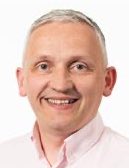
Cllr Harrison (pictured above) said the changes would ensure a transparent process for people to bid for contracts from the county council and confirm providers were getting the funding they need from the authority to be viable and sustainable, including paying their staff a decent wage.
He added:
“We need to make sure what we pay for the service is delivering what we need. Whilst we need to go through the process, we need to make sure that we don’t put providers off from coming on to our approved provider list because the process is too onerous.”
He said in response to the concerns, the council would offer support to any providers that found the process difficult.
Have devolution fears that Harrogate will be voiceless come true?One of the key concerns in the run-up to this year’s shake-up of North Yorkshire local government was that the vast new unitary authority could leave the Harrogate district without a strong voice.
This week, when the dust settled on the local elections and Carl Les, the Conservative leader of North Yorkshire County Council named his new 10-person executive team, the concerns appeared to have merit.
Just one councillor from the district — Michael Harrison, who represents Killinghall, Hampsthwaite and Saltergate, was included on the executive.
It means many of those making key decisions affecting Harrogate, Ripon, Knaresborough, Boroughbridge, Pateley Bridge and Masham might not even have been to some of those places.
For the last 48 years, local political decision making has been shared between North Yorkshire County Council and Harrogate Borough Council.
But with the latter in its death throes, it seems likely that all local political decisions will soon be made at County Hall, the 1906 Grade II listed building in Northallerton, a market town in Hambleton, firstly by North Yorkshire County Council and then by North Yorkshire Council.
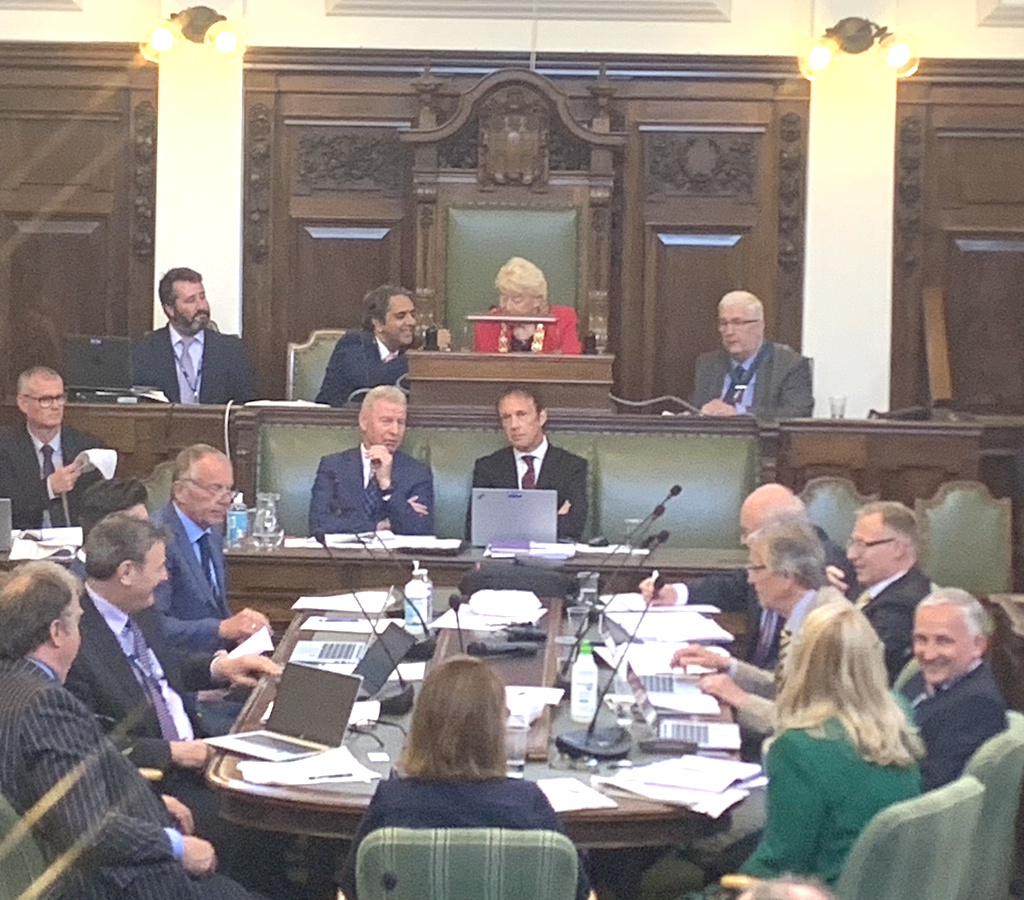
The 10-person executive table at Wednesday’s meeting, with Michael Harrison far right.
Just nine of the 47 Conservative councillors on the county council are from the district. So will the Harrogate district not have adequate representation?
‘Strong voice will remain’
Despite the changes, Cllr Harrison told the Stray Ferret he is confident the district will continue to have a strong voice.
He said local councillors will shape the executive’s decisions, firstly through task groups that will inform the transition to the new North Yorkshire Council next year and then through the Harrogate and Knaresborough Area Constituency Committee.
Read more:
- ‘Where’s the infrastructure?’ New councillor queries 480-home Bluecoat Wood plan
- ‘Tough cookie’ Masham councillor becomes final chair of county council
The six area constituency committees are expected to be given stronger powers next year, possibly over key issues such as planning, as part of Cllr Les’ ‘double devolution’ pledge. The Lib Dems will have eight of the 13 councillors on the one for Harrogate and Knaresborough.
Cllr Harrison said:
“There will be real power devolved to the area constituency committees and the fact that the Conservatives don’t control the one for Harrogate and Knaresborough won’t stop that.”
Cllr Harrison added that he expects Harrogate Borough Council’s offices at Knapping Mount to continue to play a key operational role when staff transfer to North Yorkshire Council next year because “it’s a modern fit-for-purpose flexible office space”.
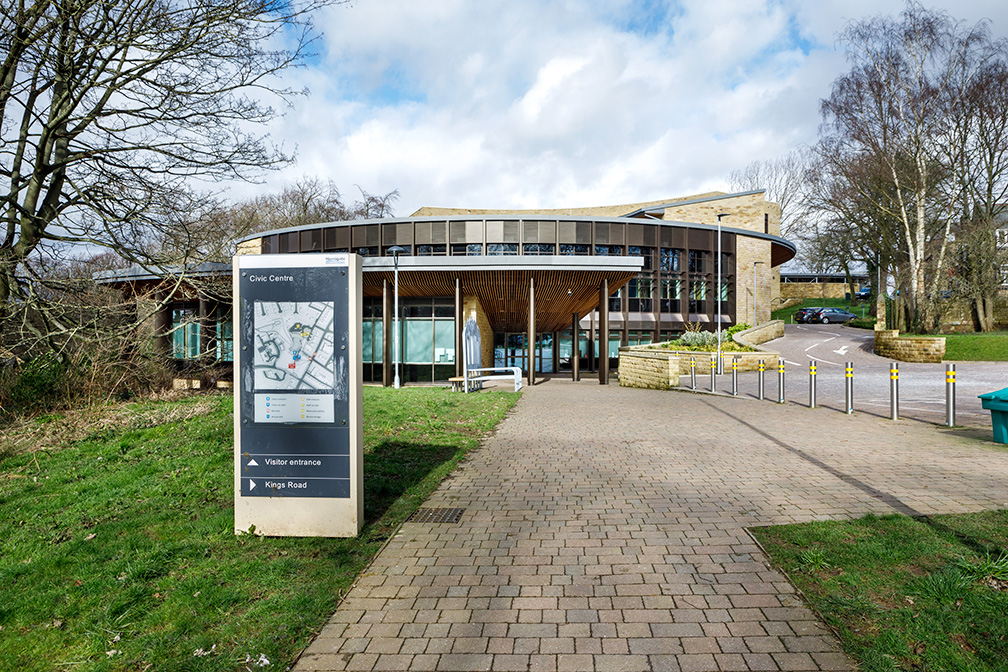
Harrogate Borough Council’s offices at Knapping Mount.
The Conservatives were returned to power in North Yorkshire with a greatly reduced majority of four on May 5.
Andrew Williams, an Independent who was elected in Ripon Minster and Moorside, said the more even political composition since the May 5 elections meant the views of opposition parties would be heard more, whereas in the past the previous huge Tory majority meant many issues were just waived through. He said:
“If you go about things in a constructive and positive manner it’s possible to get things done.”
Harrogate town council
Cllr Williams, who is also the leader of Ripon City Council, said the best way to ensure Harrogate’s voice was heard would be through the creation of a Harrogate town council.
He said Ripon City Council had effectively provided a voice for the city and suggested the same could happen in Harrogate.
He added that such a move would pave the way for more independents.
“People will be looking for voices on a town council that stand up for Harrogate and will appreciate a less partisan approach.”
Five Harrogate Independents failed to come close to winning a division on May 5. But Cllr Williams suggested they got their tactics wrong:
“They started campaigning too late. You can’t just rock up at election time and win.
“To win an election as an Independent you have got to be known by a lot of people and campaign early.”
A referendum could take place in Harrogate to see if people want to create a town council.
But Cllr Harrison said people ought to know what the purpose of a Harrogate town council would be and what the added charge to their council tax precept would be before any vote takes place.
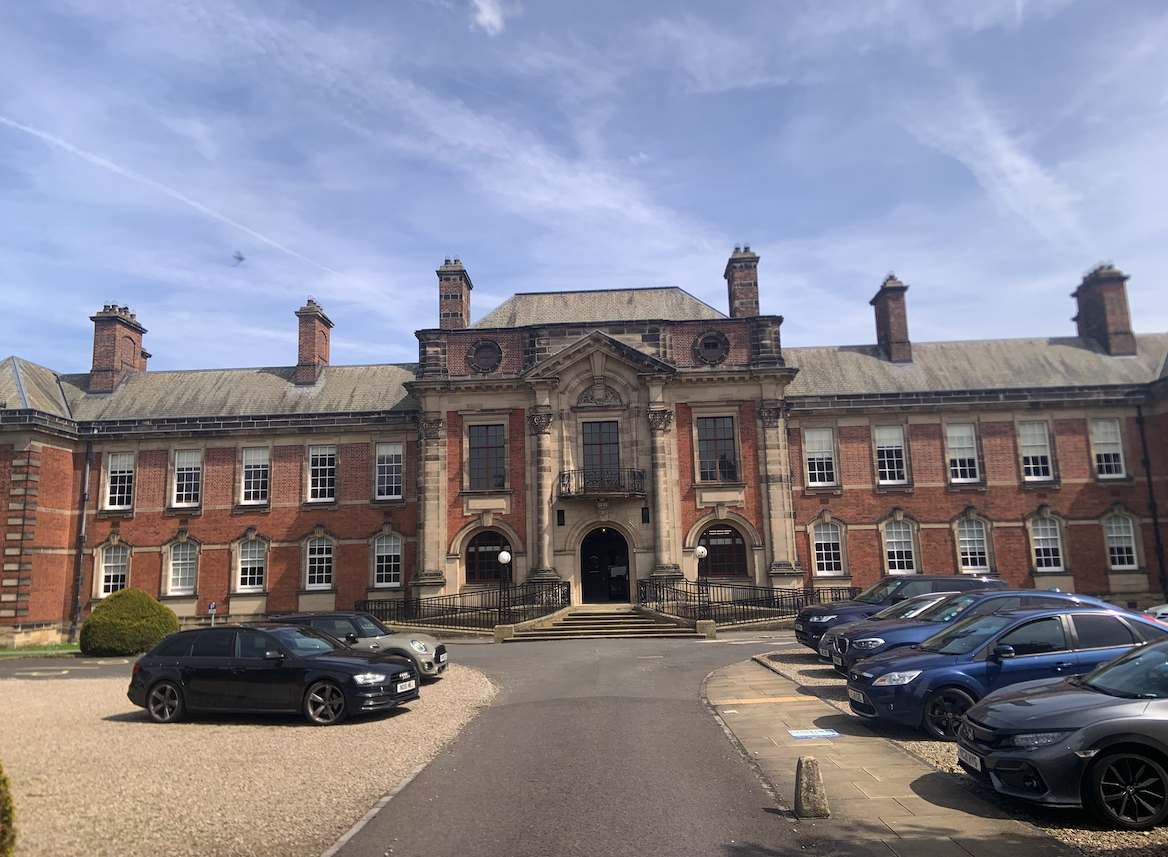
County Hall in Northallerton
Whatever one’s political persuasion, the political scene has been enlivened by the shake-up to local government.
But whether local voices are heard strongly at County Hall, the 1906 Grade II listed building where the county council is based, remains to be seen.
The Stray Ferret asked the Liberal Democrats in Harrogate and Knaresborough to comment for this article but did not receive a response by our deadline.
County council agrees to take part in government adult social care funding pilotNorth Yorkshire County Council has agreed to take part in a pilot for a government system to fund adult social care.
A meeting of the county council’s executive heard becoming one of the country’s first five local authorities to take up the government’s charging reforms programme would create a series of uncertainties for the council in an area which already accounted for almost half of its budget.
Nevertheless, officers underlined that if the new system was not working for the authority there would be opportunities to pull out of the pilot.
Although it will be up to the incoming North Yorkshire Council to make a final decision over joining the Trailblazer pilot, after receiving the unanimous support of the outgoing executive the scheme is likely to see numerous measures brought in.
Everybody who is receipt of care will have the right to have an account where the total cost of care over their lifetime is capped.
An £86,000 cap on the amount residents will need to spend on their personal care is set to be introduced in North Yorkshire from January next year, nine months ahead of elsewhere.
Read more:
Also, the point at which people become eligible to receive some financial support from their local authority, will rise to £100,000 from the current £23,250.
The council’s social care executive member Councillor Michael Harrison said it was important North Yorkshire helped shape national policy as it had a disperate care market, with 235 care homes spread across England’s largest county.
However, he said the authority did not know if the changes would entail a huge bill for the council as it remained unaware of how many people currently receiving care in the county funded it themselves.
Alongside uncertainties surrounding the information technology needed, the council remains unclear about the impact on the care market there is a risk to the council in that it could cost more than has been budgeted for.
However, Cllr Harrison said it was clear the new system was weighted more heavily in favour of residents, and particularly those with an average amount of savings, than the government.
He added:
“It would be a bigger leap in the dark if we weren’t involved in the pilot. There is undoubtedly going to be some unknown consequences and hopefully they will be flushed out during the pilot.
“It also means we are shaping national policy. This is really important that councils with rural areas rather than urban ones with a straightforward care market where the council is the biggest client help shape the system.
“In North Yorkshire we have a huge say in the market, but there’s so many self-funders, the market will take its own course. If it works the benefits are brought to North Yorkshire residents earlier than the rest of the country.
“This is definitely a step forward but there is still a lot of stress in the care sector. We still think more needs to be done to raise the profile and the conditions of those working in the sector to make it more attractive to people.”