Next year will see the start of seismic political changes in North Yorkshire.
On April 1, seven district councils, including Harrogate Borough Council, will be abolished, along with North Yorkshire County Council. and be replaced by a new unitary authority called North Yorkshire Council.
These changes will pave the way for something potentially even more significant in 2024, when North Yorkshire is likely to elect a mayor and become the 11th place in England to get a combined authority.
Words like ‘combined authority’, ‘devolution’ and ‘mayor’ don’t slip down as easily as mulled wine at Christmas and the temptation is to ignore them.
But James Farrar, chief operating officer of York and North Yorkshire Local Enterprise Partnership, thinks the political changes will bring economic benefits — especially to those who grasp the significance of what’s going on. Mr Farrar says:
“This is huge. There will be significant investment on an ongoing basis right across North Yorkshire.”
Mr Farrar, who is from Huby and went to primary school in North Rigton and secondary school in Harrogate, heads one of 38 local enterprise partnerships.
LEPs sit between local and national government to stimulate economic growth. York and North Yorkshire LEP, which employs 40 staff, is mainly funded by £375,000 from the Department for Levelling Up, Housing and Communities and £250,000 from the Department for Business, Energy and Industrial Strategy.
It invests in capital infrastructure that provides conditions for growth, such as the upgrade of junction 47 on the A1(M) at Flaxby. It also invests in skills and business support.
Right now, devolution is by far the biggest game in town.
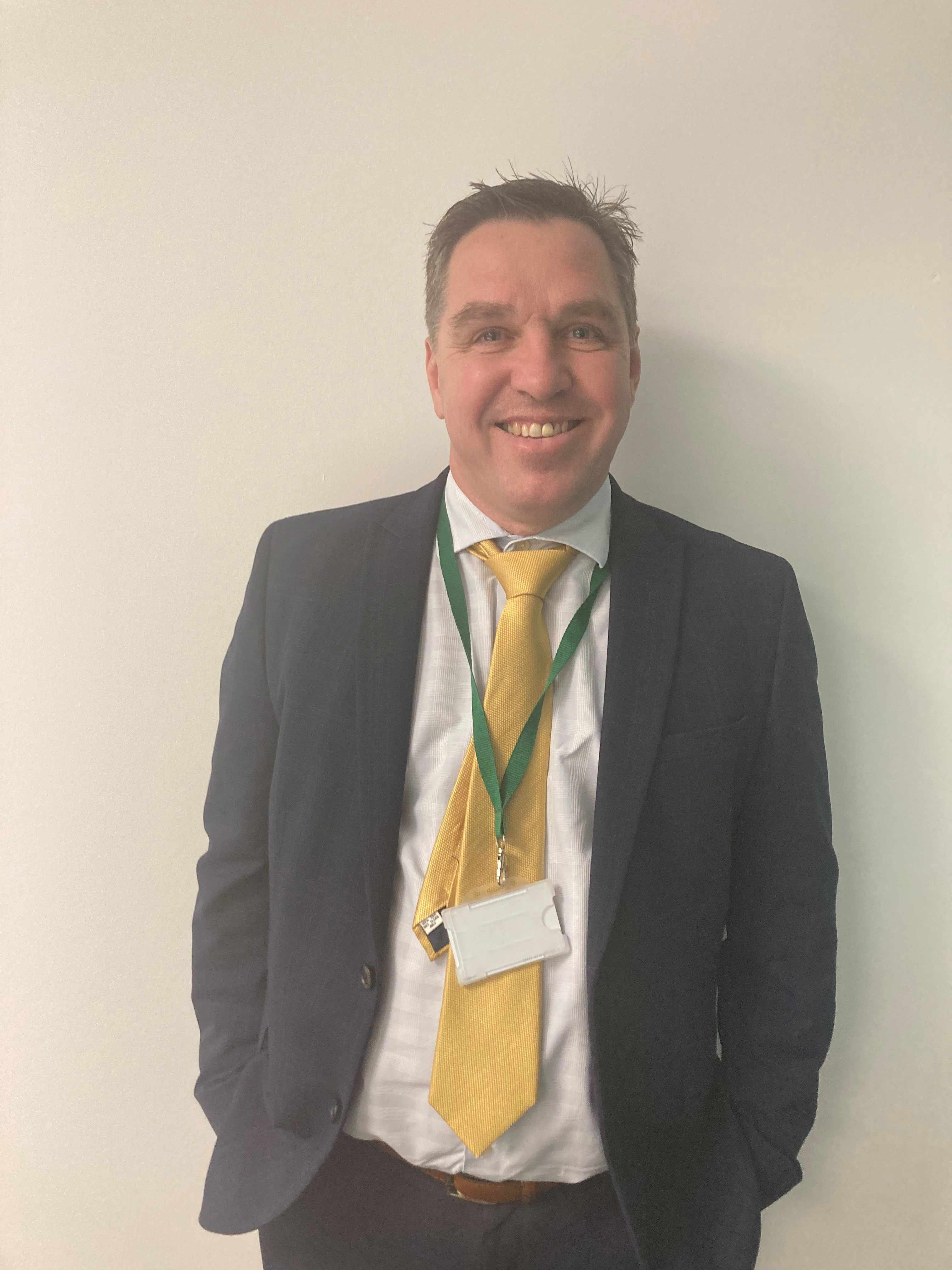
James Farrar
Mr Farrar, who has worked in economic regeneration for two decades, pinpoints two major benefits — long-term funding and a closer dialogue with national government. He says:
“Currently organisations are constantly bidding for funding from government for one, three or five years. When you are constantly bidding it’s very hard to take long-term strategic decisions. Thirty-year funding gives certainty. Having been stuck in a cycle of short-term bidding, it will make a massive difference.
“Also, areas with mayors have a constant dialogue with government. It will put us round that top table. There will be an ongoing, permanent relationship between North Yorkshire and Whitehall.”
Mr Farrar describes the proposed 30-year, £540 million devolution deal, which is expected to be ratified in the new year, as “a really, really good deal compared to what other areas got at the beginning”.
It will mean an £18 million a year mayoral investment fund, plus there will be separate funding for specific areas such as transport. He says it will “enhance rather than erode” the powers of North Yorkshire Council and City of York Council, which will continue to handle areas such as highways and planning.
Read more:
- Devolution could end ‘half a century of under investment’ in Ripon
- £540m North Yorkshire devolution deal looks set to progress, say officials
The creation of a mayoral combined authority has led to fears too much power will be concentrated in too few hands.
The authority will be chaired by the mayor and have two members each from North Yorkshire Council and City of York Council plus the chair of the LEP.
Mr Farrar says the fact the mayor will need re-electing to maintain office will act as a democratic check on his or her power.
‘Be on the front foot’
Mr Farrar, whose brother still farms in Huby, acknowledges people will only value devolution “when they see real change” but he insists it’s coming.
He also thinks businesses and councils need to be ready.
“My message to any area is it’s important to be clear about your priorities. Think about what investment they need to make sure town centres are vibrant, what will make businesses want to relocate there and what are the barriers to that.
“My experience is that places with a plan attract investment. If you wait for the money you will be waiting a long time. Be on the front foot.
“We have some amazing towns in North Yorkshire but they are going through a lot of problems and change. Their USP is the quality of places and if they get this right they will see significant progress.”
Mr Farrar also predicts a “big change in agriculture because of environmental changes and leaving the EU”, which will have a particularly significant impact on rural North Yorkshire and further reshape the county’s economy.
But he insists the outcome of all the changes will be worth it, with more prosperous towns and a more politically tuned in county. He also reiterates a point he made in a speech to Knaresborough Chamber of Trade and Commerce last month — that there are successful businesses in York looking to relocate and alert nearby towns in the Harrogate district could benefit.
The LEP is based in York and Mr Farrar says:
“York is constrained by its geographical size. We have businesses wanting to grow and we don’t want them to move outside the area. Whether it’s Knaresborough or Boroughbridge in the Harrogate district or somewhere else like Selby and Easingwold, there are opportunities to be part of that growth.”