Harrogate medical professionals have welcomed new laws which will require people administering Botox or fillers to have a licence.
The government has announced an amendment to the Health and Care Bill which intends to introduce a licensing regime for non-surgical cosmetic procedures.
It follows an “unacceptable” rise in reports of botched cosmetic procedures in the UK.
Nurse Sharon Bennett, director of Harrogate Aesthetics, on Princes Square, is the chair of the British Association of Cosmetic Nurses (BACN).
For years she has played a major role in fighting to push the legislation through, stating that it was “long overdue”.
However, she said the BACN continued to campaign for only regulated healthcare professionals to be able to carry out these procedures.
Only healthcare practitioners
Ms Bennett, who also sits on the clinical governance committee for the Joint Council for Cosmetic Practitioners (JCCP), said:
“We have been part of the advisory group informing government to improve patient safety and to make some form of legislation.
“My personal view is that we don’t need legislation if the government just said only healthcare practitioners can practice. Then there would be no need, because we are all regulated. That would be ideal.
“There will always be rogue practitioners, but they are at least accountable and the regulators can deal with them and get rid of them.
“However, you can currently go anywhere in this area and get an injectable. They might claim they are an ‘aesthetic practitioner’, but might have only done a one-day course and before this they were a taxi driver or something. That’s where the problems lie.”
The “scope and details” of the new regulations will be “determined via extensive engagement including a public consultation”, the Department of Health said.
The scheme would aim to bring in consistent standards that practitioners must meet and set out hygiene and safety standards for premises.
Details on the public consultation on non-surgical cosmetic procedures are expected to be set out at a later date.
Rogue injectors
Dr Claire Seddon, who is a practising GP, runs aesthetics clinics in Harrogate, Leeds and Liverpool.
She said:
“This is great news for our industry. There are so many rogue injectors about who give the ones who work with care, precisions and adhere to guidelines a bad name.
“Hopefully the licence will standardise practice, not just for medical professionals, but also for non-medics.”

Dr Claire Seddon.
Both Ms Bennett and Dr Claire said one of the main issues was the aftercare of the patient and knowledge of how to treat them if there were any complications.
They have both had to correct treatments that have gone wrong, with problems mainly surrounding high-risk treatments such as dermal fillers.
‘We can deal with complications’
Nurse prescriber Ms Bennett, who has had to dissolve and administer antibiotics and steroids for botched fillers numerous times, said:
“When you have got someone lying here, we are not just injecting them. We are watching them and we can deal with anything that happens.
“I have seen someone who has had Botox around their eye, which has affected their smile. That’s because the practitioner came to low. Botox eventually wears off, so you just have to tell them to wait and it will come back.
“With filler you can actually block an artery if you go too deep. What happens then is it restricts the blood flow and the skin can die. You have to then inject something called Hyalase to dissolve the filler.
“If you are with the wrong person, it can make a massive difference.”
They said there are also issues surrounding the prescription of Botox, with rogue practitioners often buying cheap unknown products online from Korea or China.
And current rules mean an aesthetic practitioner does not need any mandatory qualifications, meaning anyone can go on a basic training course and then be allowed to perform the treatments.
This is also the case when it comes to where Botox and fillers are actually administered.
‘People deserve better’
Dr Claire, who has been practising aesthetics for seven years, said:
Harrogate skin expert offers top tips on ‘Maskne’“People literally do it in sunbed shops.
“One girl who came to me went to someone who was doing it in their house. She got there and the person who was doing it was lying on the sofa in her dressing gown. She then took her into the kitchen where she was in the middle of cooking a meal and administered Botox. She didn’t even have gloves on. That’s what we are dealing with.
“Some beauty therapists treat it like they are doing someone’s make-up, but they are injecting into someone’s face. They don’t have the knowledge or the drugs to treat the patient if there are any complications.
“This will 100 per cent be a good thing for the industry. People deserve better.”
We are all faced with a whole load of new challenges in 2020 and for some of us ‘Maskne’ is one of them. If you haven’t guessed already it’s a mash up of ‘mask’ and ‘acne’… so basically spots around the chin caused by wearing a face mask.
I have always been into my skincare, and have followed the same routine (with a few seasonal changes) for years. I have really dry skin which luckily means spots don’t usually both me. However when the rule of wearing a face mask in public spaces indoors came into place my skin started to disagree.
I don’t want to moan as I appreciate that key workers virtually live in PPE, I take my hat off to every single one of you! I also understand that wearing a mask helps stop the spread of coronavirus, which is super important…so of course I am happy to wear a face mask, (in fact I’ve got quite into my mask fashion.) But I know I am not alone in these mask related break outs.
The good news is there are things you can do to prevent and treat mask irritation. Local skincare expert Anthea Whiteley, who is the Director of Harrogate Aesthetics has provided us with some top tips
So what causes ‘Maskne’?

Anthea Whiteley – Aesthetic Nurse Practitioner RGN – Director
Anthea has worked in the skincare industry for over 20 years and before that was a Senior Sister in the operating theatres at Leeds General Infirmary. She has offered this advice on what actually causes our skin to erupt.
- Mask related acne is due to an increased amount of oil, sweat, nasal mucus & saliva underneath your mask, which means moisture builds and blocks your pores, which causes irritation.
- Touching the face excessively can also irritate the skin especially if using hand sanitiser.
- People may find that they might be more likely to experience face-mask-related bumps and rashes if they’re already living with skin issues, such as Rosacea, Eczema or Acne.
- Some commercial face masks are pre-treated with formaldehyde to disinfect them. If you’re allergic to that chemical, those masks could spark a breakout. Likewise, laundering washable masks with heavily scented detergents or softeners can cause itching, redness or rashes.
So what is the best way to treat ‘Maskne’?
So we know the cause now but how do we combat the problem?
There is always the temptation to use every product you can get your hands on when having skin problems in hope that one of them sorts the mess… but less is often actually more. Anthea has advised how important it is that the skin can still breathe and has recommended these products:
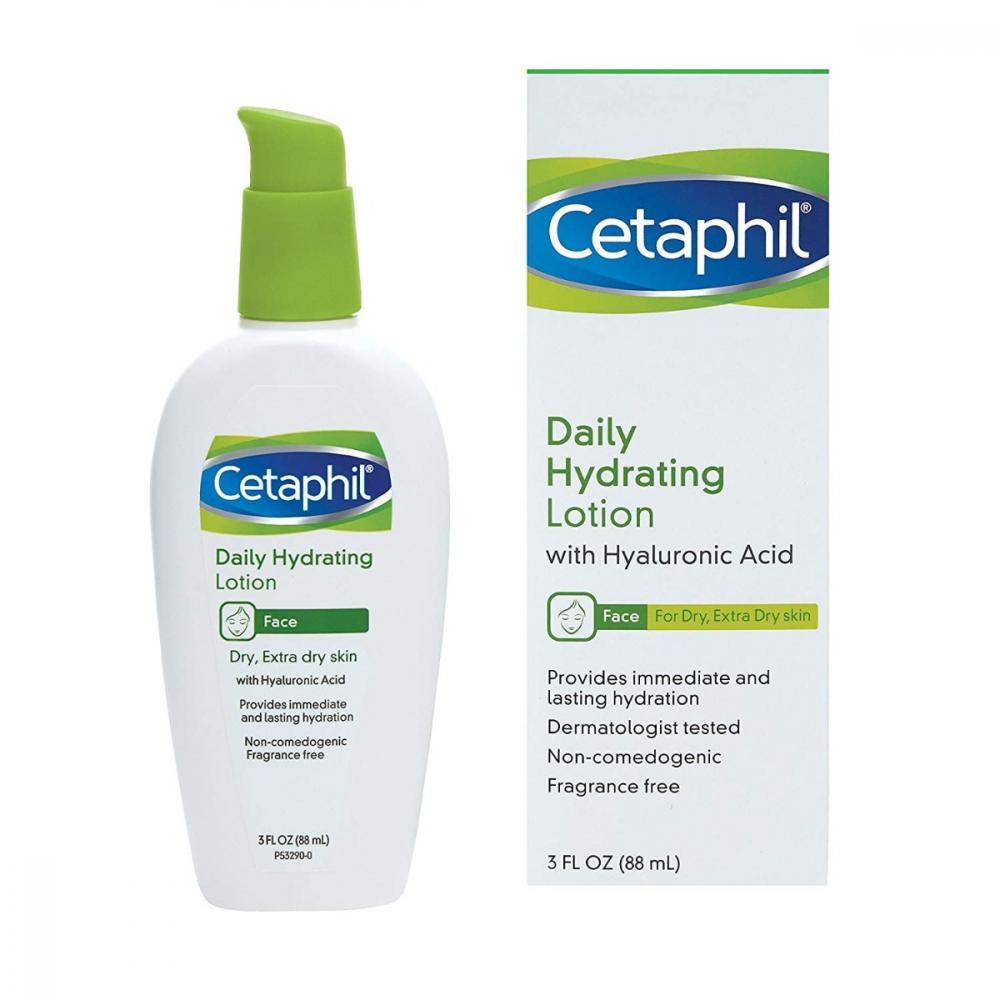 1. Cetaphil Daily Hydrating Moisturiser- Budget friendly skincare. If your mask is causing irritation, this gentle fragrance free and non-comedogenic (doesn’t block your pores) could be the answer. Specially formulated to provide effective, gentle skincare to help soothe your skin.
Price £8.99– Available to buy online at Asos.
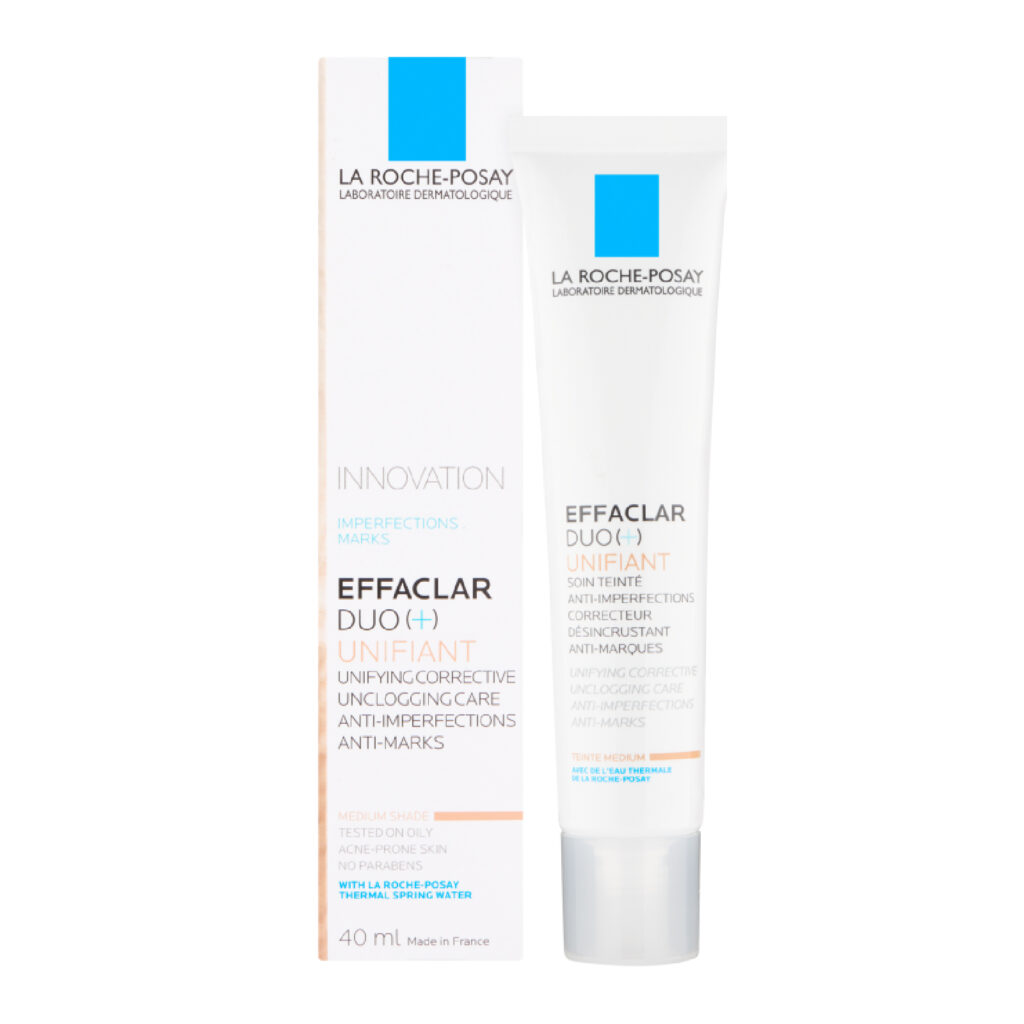 2. La Roche-Posay Effaclar Duo+ Unifiant Tinted Moisturiser- Anti-blemish moisturiser that corrects and hydrates oily and acne-prone skin, whilst also having a light tint to provide treatment with coverage.
Noticeably reduces spots, controls shine and helps to reduce the appearance of pigmentation marks. Clearer skin can be seen in 4 weeks.
Price £17.50 – Available at Boots stores.
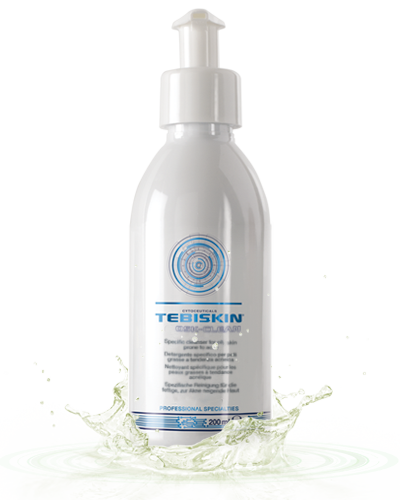 3. Tebiskin® OSK-Clean: A good cleanser is vital, especially when your skin is having a tantrum. This is a specific cleanser for oily skin prone to acne, with a profound cleansing action to remove accumulated sebum exerting a beneficial matt effect.It is based on the combined action of triethyl citrate and pyruvic acids able to counteract excess sebum and combat imperfections typical of oily skin prone to acne.
Price £40 – Available at Harrogate Aesthetics.
Can ‘Maskne’ be prevented in the first place?
So now we know the cause and how to treat the problem is there any way we can prevent the problem In the first place? Apparently so…
Anthea’s has some top tips on how we can avoid these breakouts in the first place:
- The critical advise is always drink lots of water, it helps the body to flush out toxins while giving you healthier skin.
- If you know you’ll be spending time with a mask on, consider taking a break from unnecessary cosmetics. Since no one will see the lower half of your face, it’s a perfect time to skip makeup or anything that could clog pores or aggravate acne or other skin lesions.
- Wash & moisturise the face twice a day only and to use tepid water, as hot/cold water can irritate.
- Keep your masks clean- Oil, nasal mucus, saliva and sweat can get on your face mask wherever it touches your face. Wash your mask with gentle, non-irritating detergent after each use and dry it thoroughly. Fresh masks should be stored in a bag to keep them clean.
- Choosing the right mask- studies have shown that the most protective masks are made of cotton or polyester blends, such as T-shirt or pillowcase fabrics, and these are fairly gentle on the skin. A smooth-texture material will cut down on friction that can chafe and irritate the lower part of the face…
If someone had told me this time last year, that in a year’s time we would have been through a nationwide lockdown, all be wearing face masks and that ‘Maskne’ would be a buzz word, I would have thought they were mad… but it’s actually happened.
I have gained a whole new vocabulary of words and phrases that I had never used before such as; covidiot, blursday, quaranteams and of course ‘maskne’… and I must say ‘the virus, ‘social distancing,’ and ‘self-isolating’ at least 10 times a day. But what I have figured is that us humans are pretty resilient and we do just seem to have a way of adapting and getting used to a ‘new normal.’
If you have anything lifestyle related that you would like me to cover please get in touch- ami@thestrayferret.co.uk