Stray Views is a weekly column giving you the chance to have your say on issues affecting the Harrogate district. It is an opinion column and does not reflect the views of the Stray Ferret. Send your views to letters@thestrayferret.co.uk.
It’s time Killinghall had a bypass
It’s time Killinghall had a bypass. We live in Killinghall on the A62. The noise/air pollution/risk to life and limb on this road is now a serious problem.
Lives and health are worth more than minimal loss of green space. The planners have allowed thousands of new builds in this village, using up suitable routes and causing additional congestion to the already heavy commercial traffic on the A61, without making any provision.
John Hirst, Killinghall
Another historic Harrogate tunnel
Thought the Brunswick Tunnel story was very interesting. I don’t know if you are aware there is a tunnel on Knox Lane. Harrogate. It was the Old Gasworks Line Bilton to New Park, the old abandoned railway embankment is in the opposite field.
Susan Wrightson, Harrogate
‘Horrific’ walk in Ripon
What a horrific walk in Ripon. ten dog mess, three trolleys, six road signs and two open bags of rubbish. Ripon councillors and the mayor should be held to account. That’s just 100 yards of river walk and Ripon should be ashamed.
I lived in Ripon all my life when I was small and love fishing on the River Skell. However today’s visit really shocked me the full length of the river from Williamson’s bridge to Fisher Green is a disgrace to everybody that lives in Ripon. I am contacting Harrogate Borough Council, the dog wardens need to film and fine heavily. It is a disgrace to think tourists would come to Ripon and leave with those images in their mind.
Paul Taylor, Ripon
Read more:
- Stray Views: Doubts remain about Harrogate Station Gateway
- Stray Views: Harrogate Tesco would be ‘horrendous’ for nearby residents
Can you help reunite a family with a long-lost relative?
We’re hoping that your readers can help us trace a long-lost relative as part of our increasingly complex task of reuniting descendants of 8 brothers born in Aberdeen just over a century ago.
What started as a favour to my mother-in-law during lockdown to help rediscover her Scottish family has included the formation of a private Facebook group where members can share and exchange all sorts of information, and this is helping to gradually fill in the many gaps.
One of these unknowns is Fred Smollet – one of my mother-in-law’s cousins – who would be around 74 years old, and whose last known address and contact details – although proven to be now out-of-date – show that he lived in Franklin Mount, Harrogate in the 2000s.
Fred lost his mother at a young age and spent a lot of time with his uncle Lewie and aunt Maisie, and his cousins Alistair (sadly no longer with us) and Ronnie (who recalls smoking together as teenagers).
Our research, primarily carried out using the resources accessible via the Ancestry and ScotlandsPeople websites, indicates that Fred married his first wife Catherine in the Claro area of the Yorkshire West Riding in 1968, and subsequently emigrated Down Under.
Reaching out to Facebook members with the Smollet surname has recently unearthed Fred’s two daughters, who were born, and still reside, in Australia. They have said to us that they would understand if he didn’t want to make contact, however if they knew that he was alive and well at the very least then that would be OK.
Fred, Catherine, Jackie and Jane returned to the UK in the late 1980s, but by the early 1990s they had divorced, with Catherine and the two girls returning to Australia, where she passed away in 2020.
Fred remained in the UK and later married, but then separated from, his second wife Patricia in the early 2000s.

The photo (above), taken at my mother-in-law’s grandfather’s funeral wake in Aberdeen in 1966, shows the eight Smollet brothers with their recently widowed mother Barbara.
Back Row (left to right): Fred (Senior, Fred’s father), Jock, Lewie, Jim (my mother-in-law’s father) and Doug; Middle Row (left to right): Dod, Don and Bill.
Fred’s father, also called Fred, lived for some time in Knaresborough, and passed away in the early 1980s, so there are apparently no family members in that branch of the tree other than Fred – hence this appeal for information!
We are happy to act as intermediaries if he doesn’t wish to have direct contact with his daughters.
Lee Everitt, Southampton
Do you have an opinion on the Harrogate district? Email us at letters@thestrayferret.co.uk. Please include your name and approximate location details. Limit your letters to 350 words. We reserve the right to edit letters.
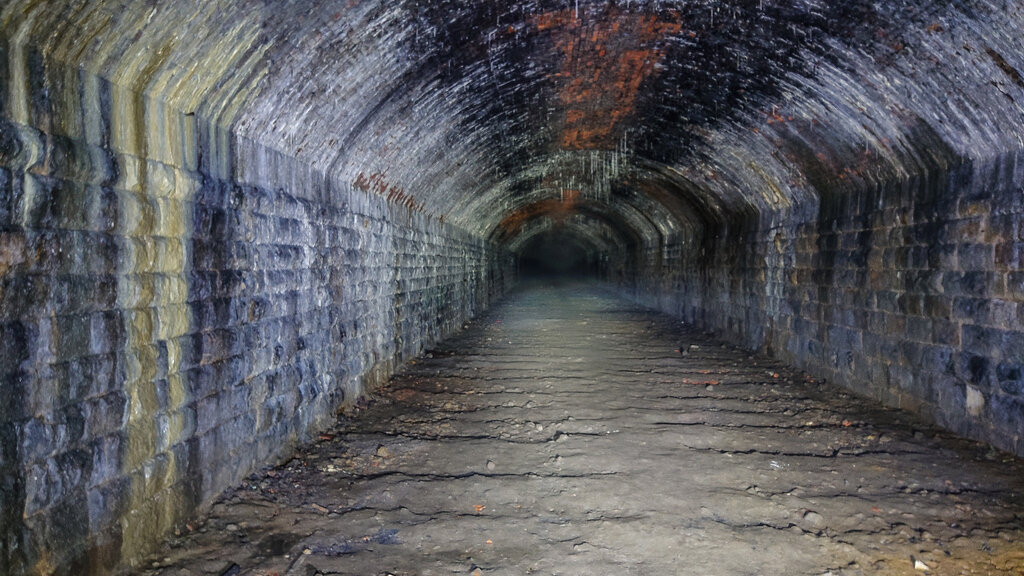
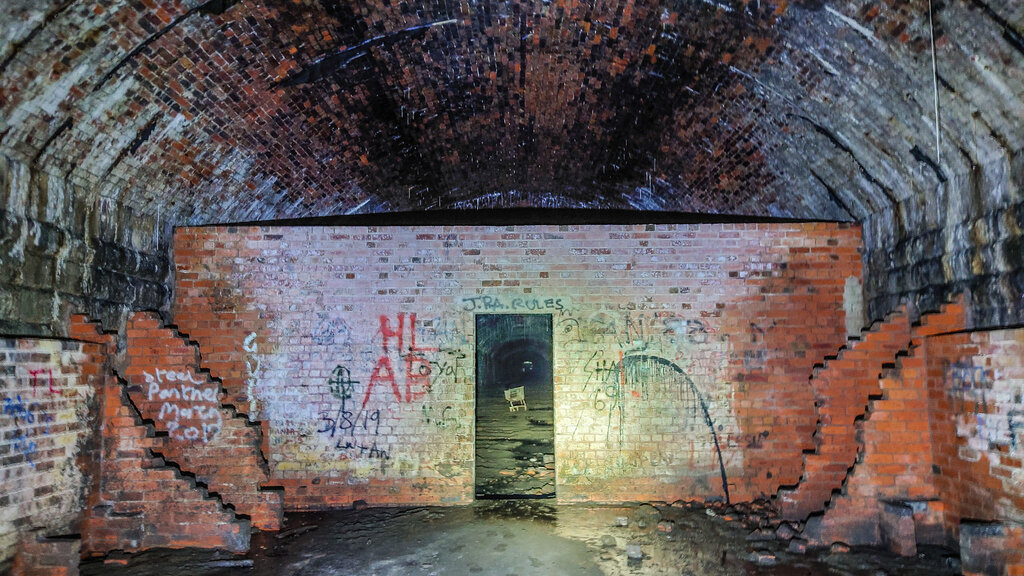
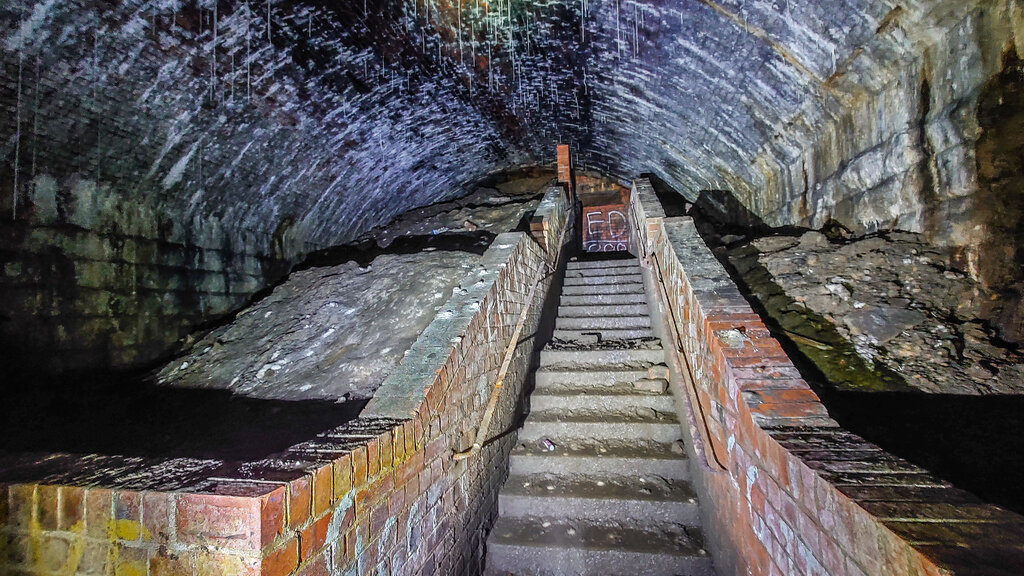
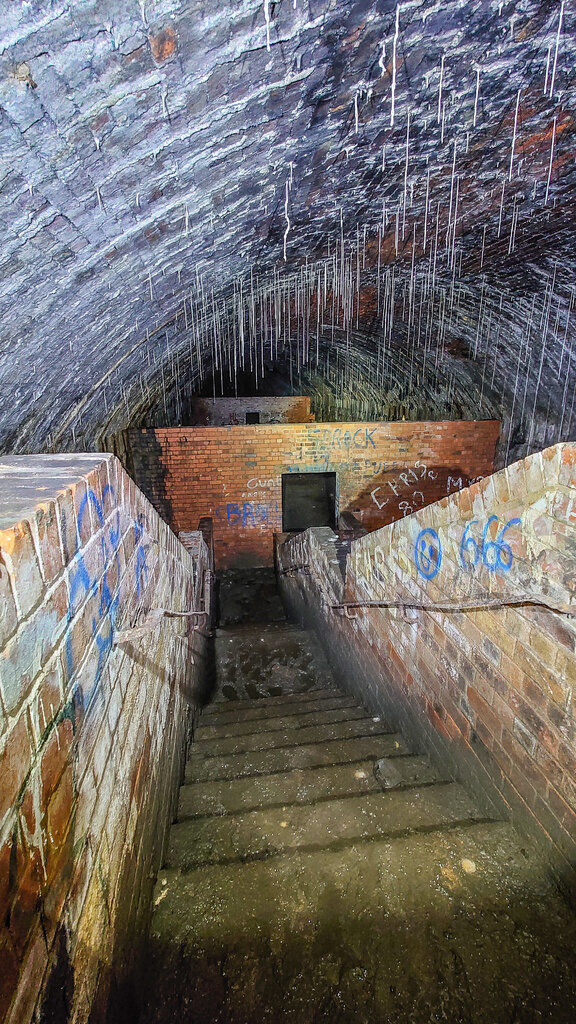
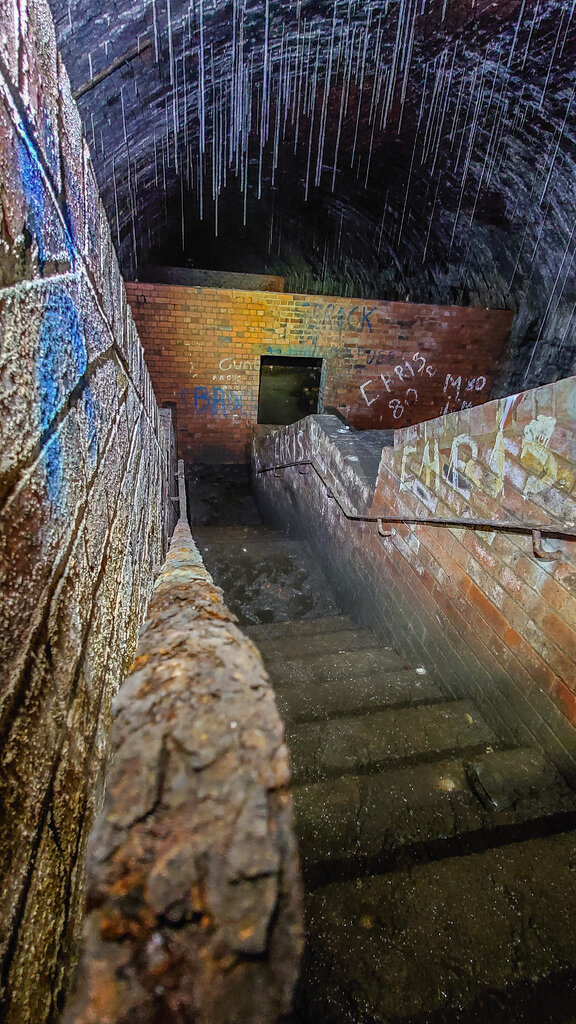
Photos reveal hidden history of Harrogate’s abandoned railway tunnelRecent photos have revealed Harrogate’s abandoned railway tunnel and air-raid shelter close to the Stray.
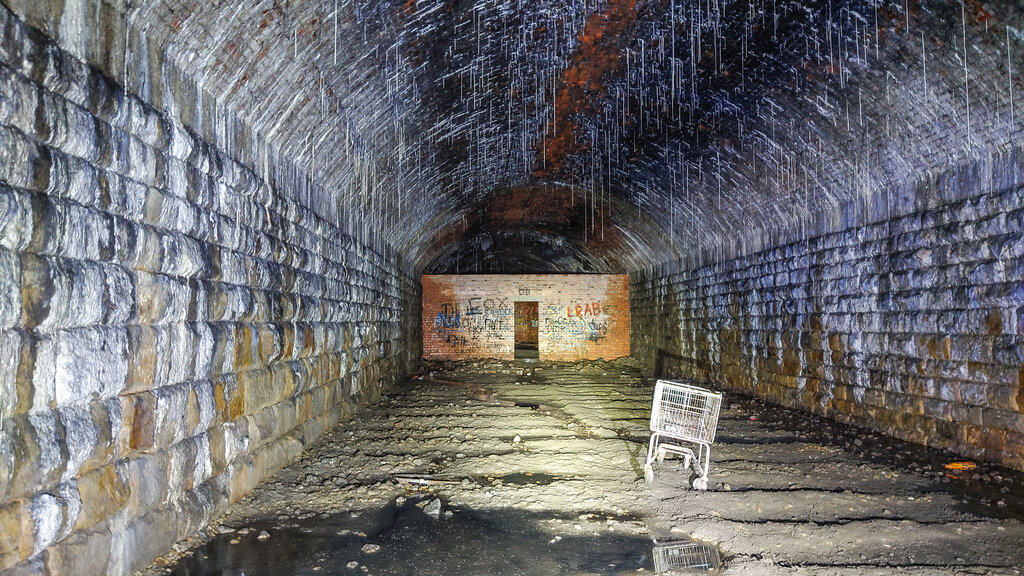
The pictures were taken by an urban explorer who uses the name Venturing Off Limits on social media and agreed to share them with the Stray Ferret. They show the dark and dank brick passage, known locally as ‘The Darky’, with icy stalactites hanging from the roof.
The only evidence of humans being there is a discarded shopping trolley. So what’s the story behind this tunnel?
Abandoned for good
The last train passed through Brunswick Tunnel over 150 years ago.
The tunnel begins close to the current Hornbeam Park station and runs underneath the present-day Langcliffe Avenue, towards St Mark’s Church on Leeds Road.
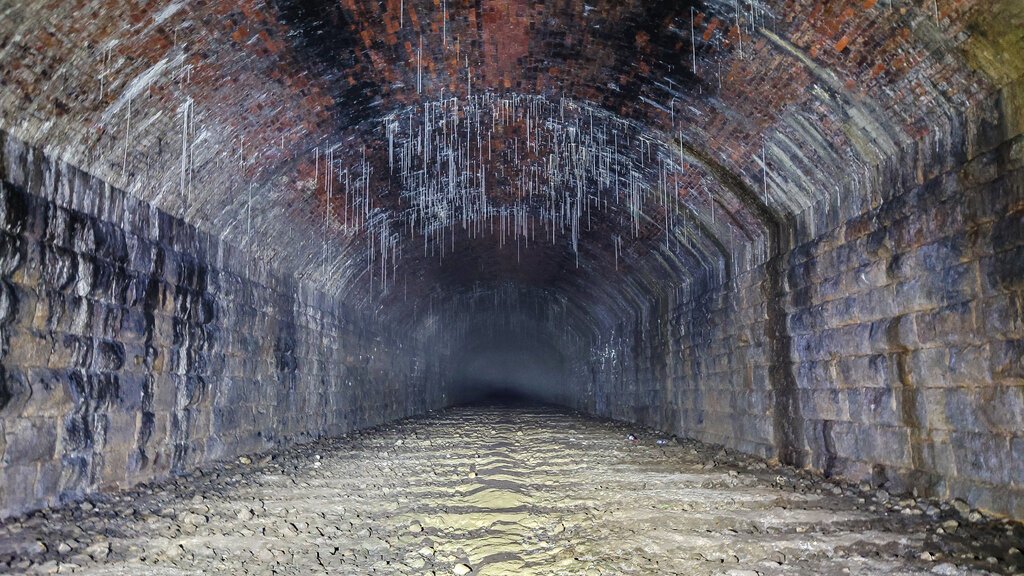
Credit: Venturing Off Limits
It served Harrogate’s first railway station, Brunswick Station, which was only in operation for 14 years before the current station was built.
Locals and businesses initially opposed the railway, fearing an influx of people from Leeds and Bradford would lower the tone of the town.
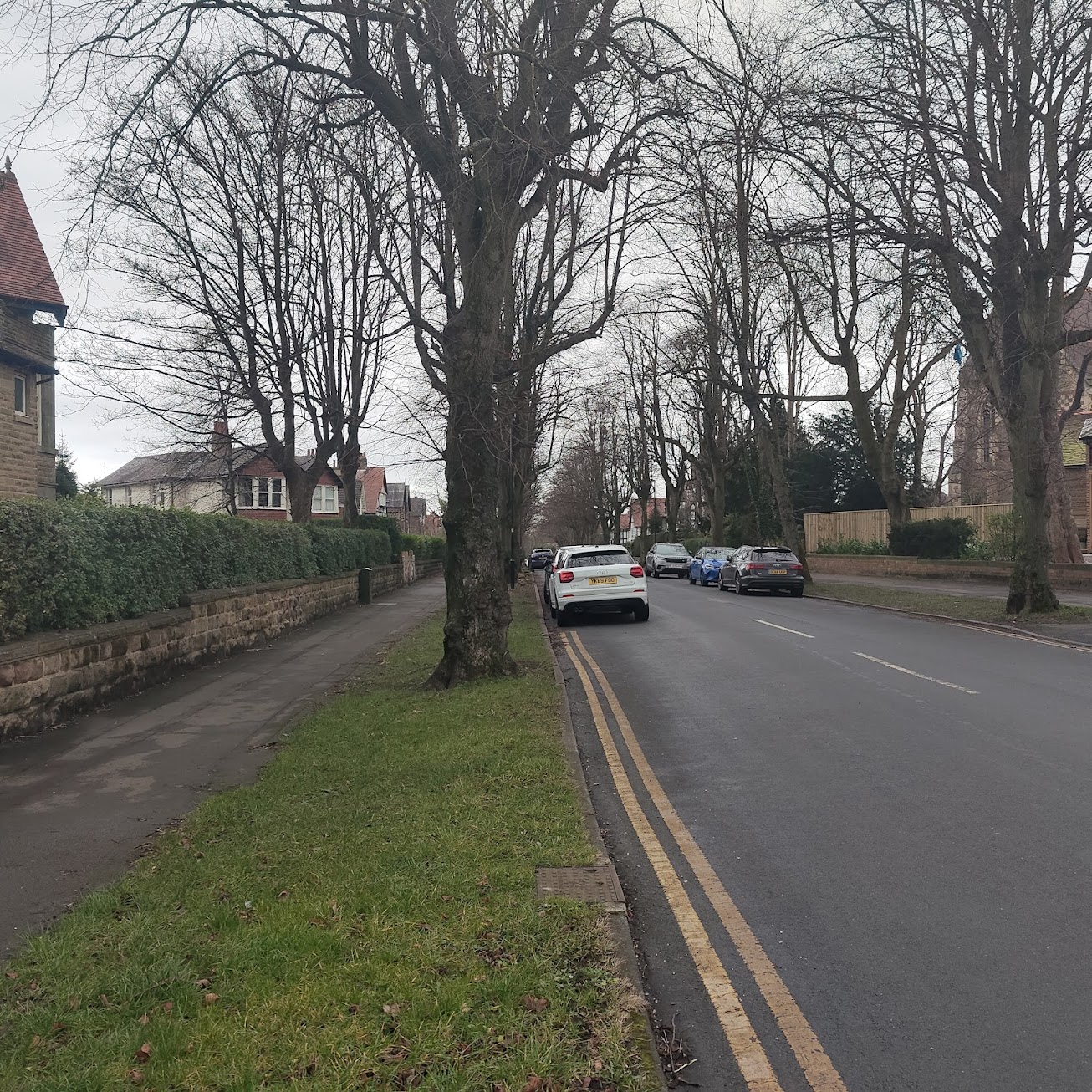
Brunswick Tunnel runs underneath Langcliffe Avenue
The tunnel was resurrected as an air raid shelter during WW2 before being abandoned for good in 1943.
In 1954, the government surveyed the tunnel to bring it back into possible use, but this idea never materialised.
Read More:
- Malcolm Neesam History: The Sun Pavilion and Colonnade, Valley Gardens
- Malcolm Neesam History: Harrogate’s thriving working men’s clubs
Park Drive roundabout
The tunnel runs under where the Park Drive roundabout is now.
When the roundabout was built in the 1960s, workers accidentally dug into the roof of the tunnel not knowing it was there.
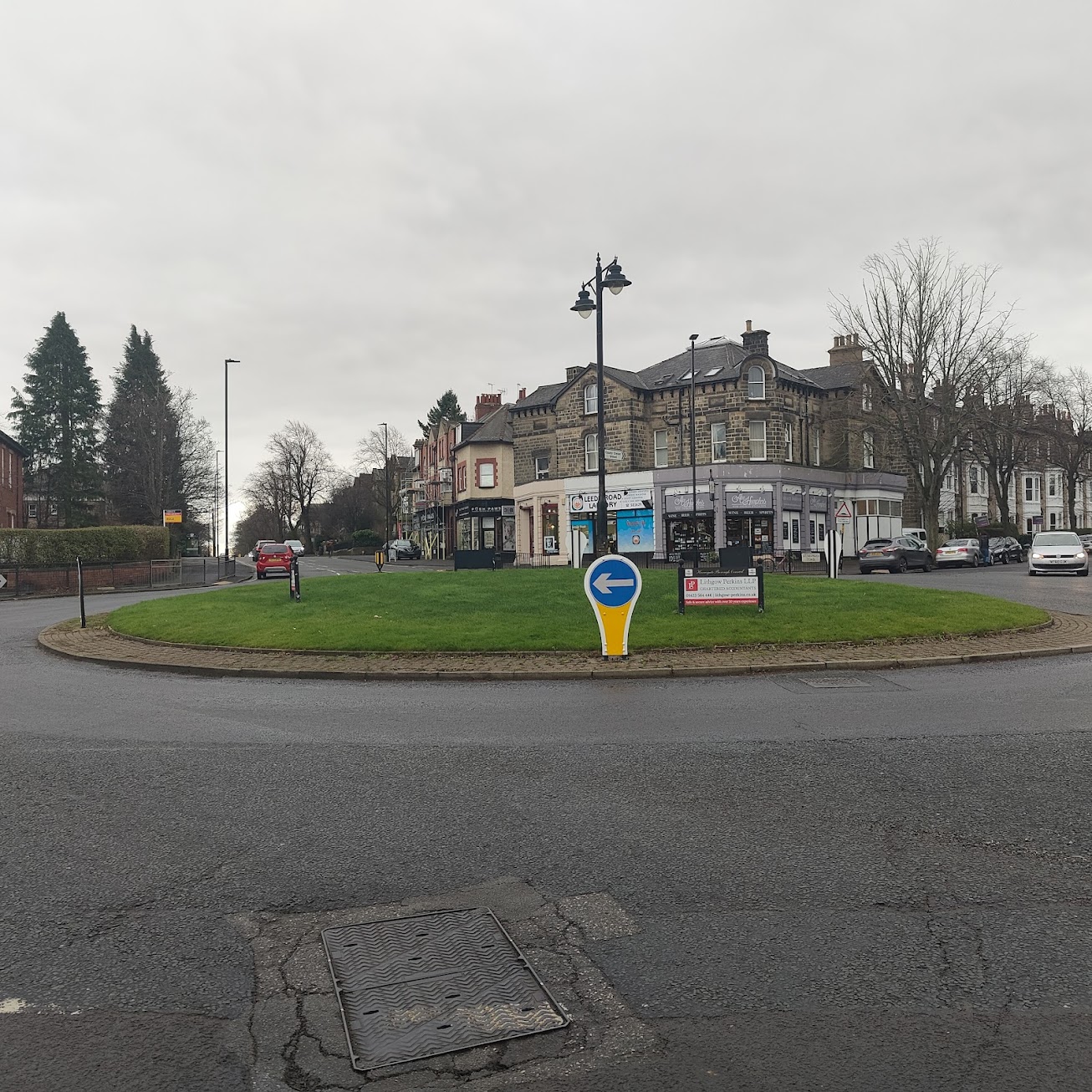
The Park Drive roundabout
Today the only evidence above ground of Brunswick Station, which was made out of timber, is a plaque mounted on a stone at the site, which is close to the Prince of Wales roundabout.
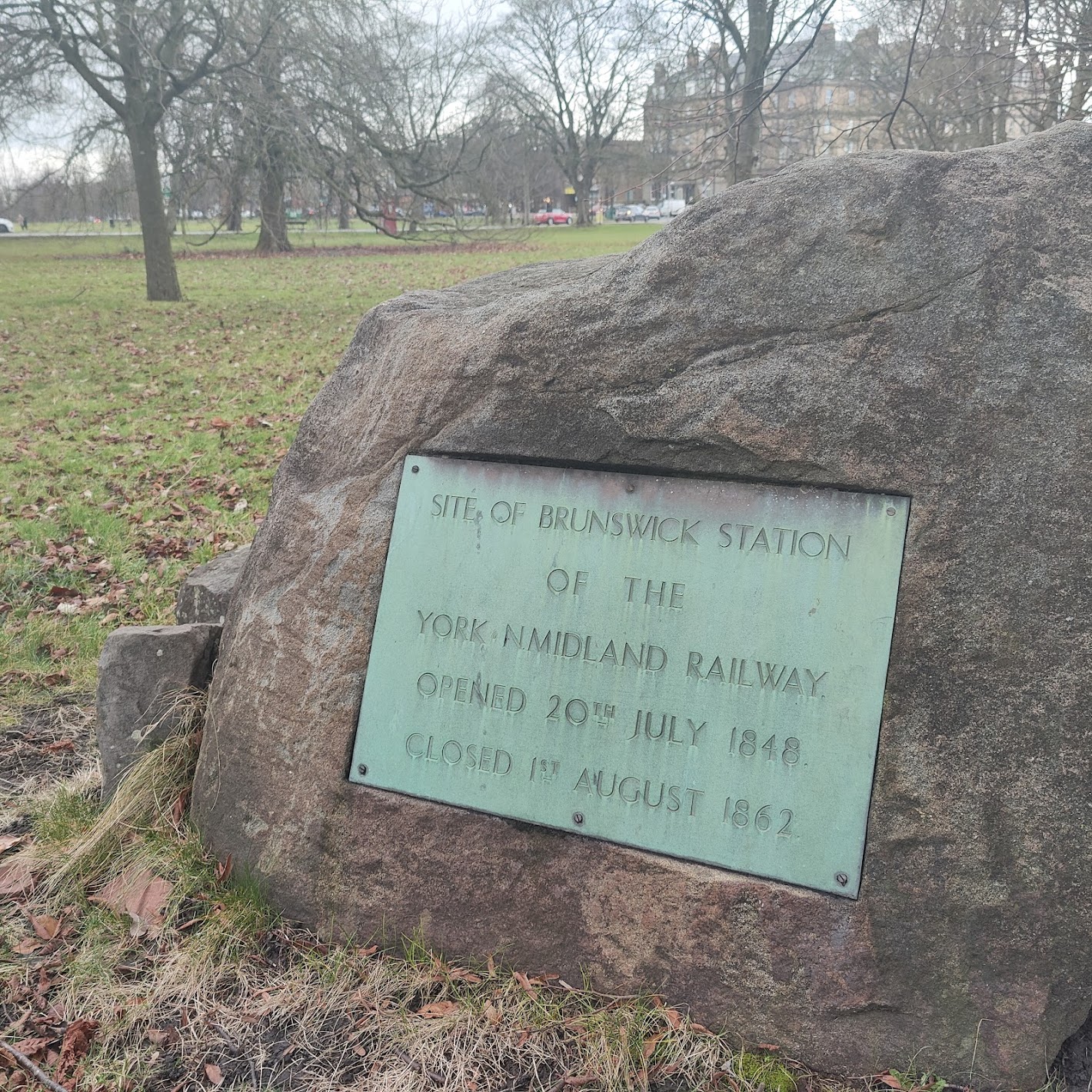
Brunswick Station plaque
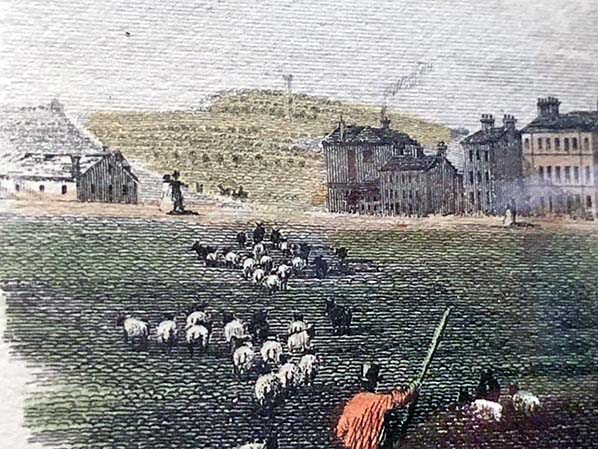
Brunswick Station is on the left of this drawing. You can see the present Otley Road and Harlow Hill in the background.
The entrance to the Brunswick Tunnel is on private land and The Stray Ferret does not encourage anyone to try to enter.