The succession of rural primary school closures across England’s largest county are “only likely to get worse”, a meeting has heard.
Andrew Smith, the Diocese of York’s director of education, issued the bleak warning facing many communities in North Yorkshire as councillors were told some 16 primary schools had closed in the last six years.
The list includes five in the Harrogate district: Woodfield Community Primary School in Harrogate, Burnt Yates Church of England Primary School, Kell Bank Church of England Primary School near Masham, Baldersby St James Church of England Primary School and Skelton Newby Hall Church of England Primary School.
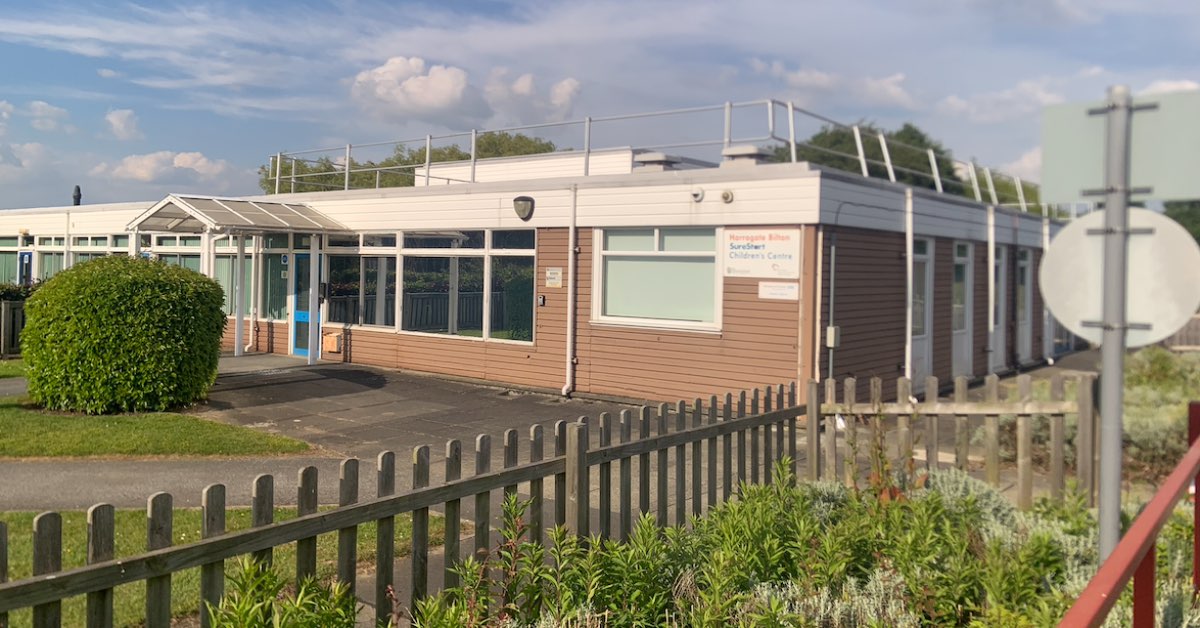
Woodfield Community Primary School closed last year.
The other 11 were at Drax, Horton in Ribblesdale, Rathmell, Ingleby Arncliffe, Swainb, Ings, Arkengarthdale, Clapham, Whitby, Weaverthorpe and Hovingham.
Mr Smith told a meeting of North Yorkshire Council’s children and families scrutiny committee the diocese was keenly aware of the vulnerability of many rural schools. Dozens of Church of England schools co-run by North Yorkshire Council have fewer than 100 pupils and many have declining pupil numbers.
Councillors heard financial pressures on the county’s smaller schools were rising, with the average school deficit soaring from £16,400 in 2015 to £57,900 this year. Also, the number of primary school age pupils was set to fall in every area of the county except the Selby and Craven areas.
The meeting heard, governors and headteachers were often forced to make cutbacks to balance the books. This led to decisions that could result in an ‘inadequate’ rating from Ofsted, which automatically triggers moves to convert schools into academies.
Mr Smith said:
“We have known for some time we are going to be facing an oversupply of places and therefore there needs to be a planned way of working to think what happens to schools going forward where we have got over-capacity.
“Over-capacity brings its own financial challenges and that begins a downward spiral with regards to finances.”
Read more:
- Former child protection officer at Harrogate district private school jailed for sexual assault
- Ofsted praises ‘welcoming and friendly’ Scotton school
He said as academies legally could not underpin their budgets with deficits as the council could, they were reluctant to take on smaller schools.
Mr Smith said:
“We are in a position where we have to have a closure process for schools because there is no other alternative.
“We are highly reactive in the system and don’t necessarily have a plan for it.
“I think it is only likely to get worse because where the financial projections are going it is likely we are going to face more school closures.
“It is a strategic, systemic problem in a fragmented system.”
Council officers then told the meeting Mr Smith had summed up the situation excellently.
They said the council was examining how it could encourage schools to work together to create “strength in numbers” to prevent the most vulnerable ones finding themselves without an academy sponsor.
Councillors urged the authority to give struggling schools more back office support.
After councillors also called on the authority to intervene earlier, such as when a school was seen to be making cutbacks on spending such as music lessons, officers said they were holding “a series of quite challenging discussions with governing boards over this autumn term where there are financial challenges”.
An officer told members:
“We are having those early discussions so governors are aware of what the risks are.”